Experience Japanese Traditional Culture
Experiencing Japanese traditional culture means touching the Japanese spirit and appreciating the aesthetic of wabi-sabi.
-
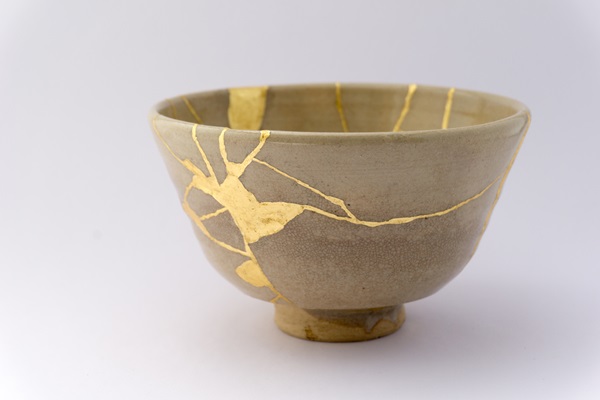
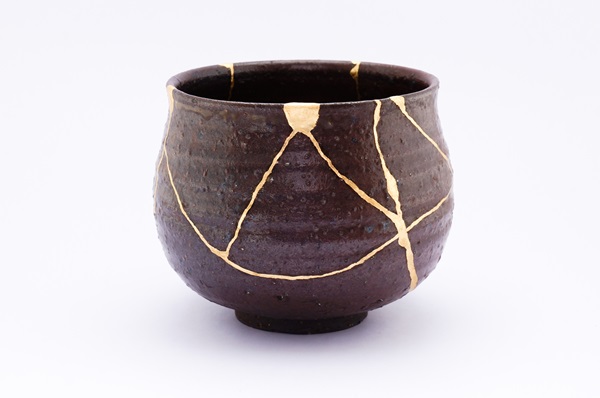
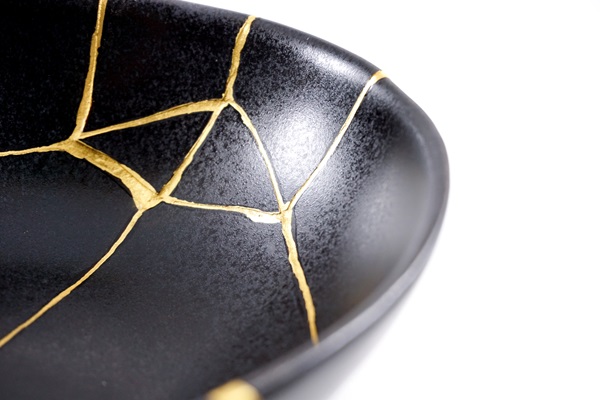
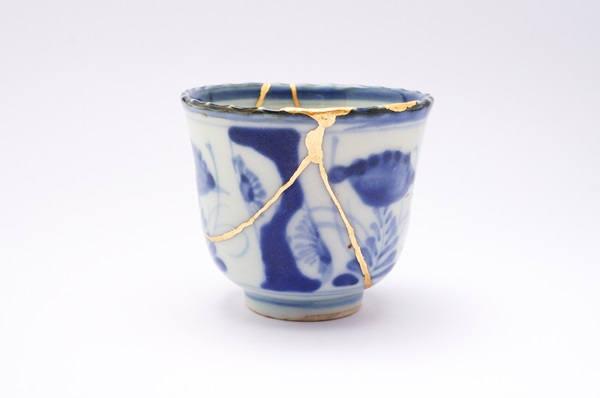
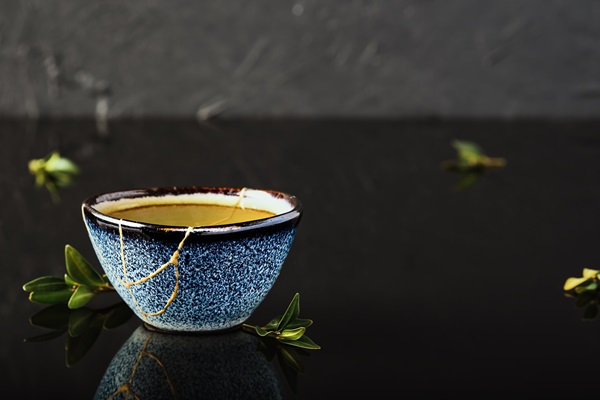
Kintsugi
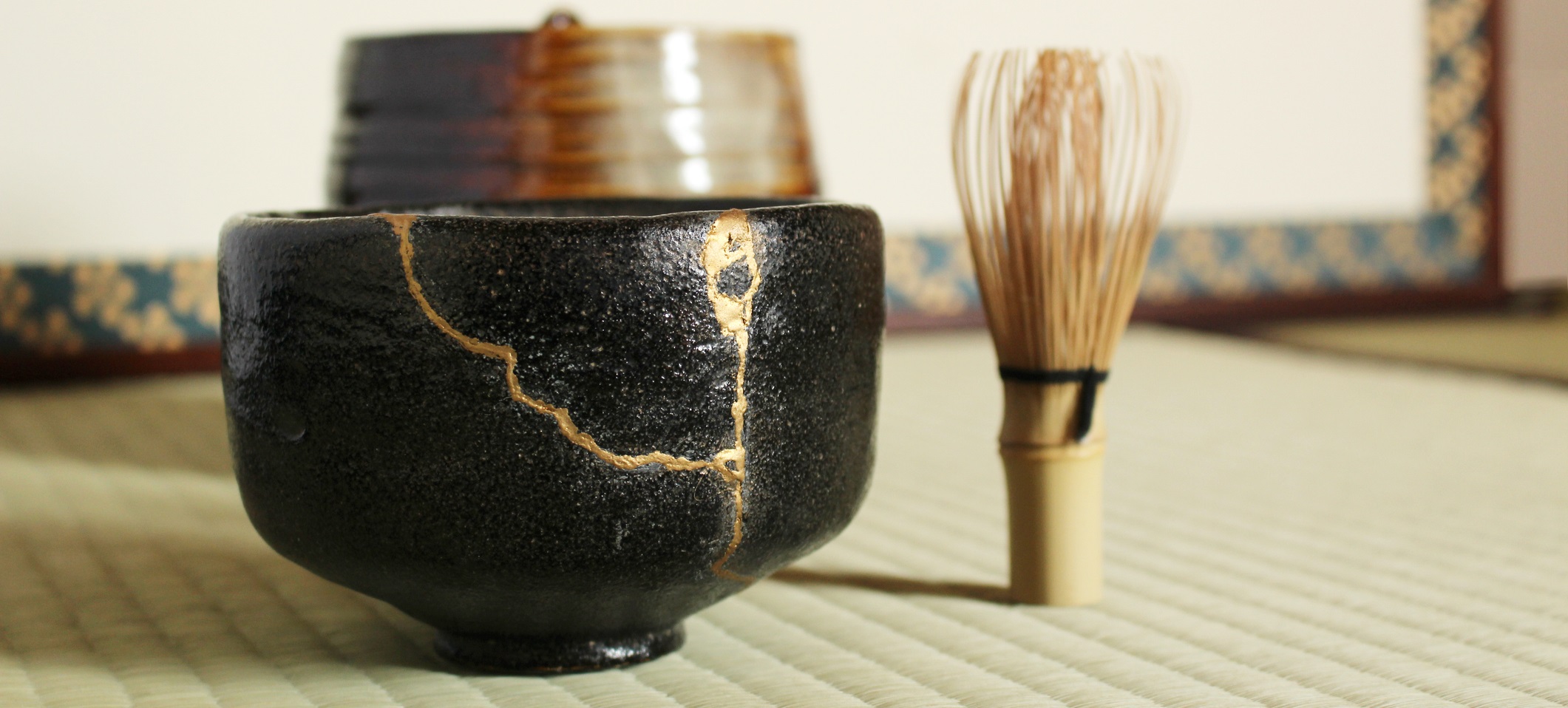
Kintsugi is a uniquely Japanese restoration technique that repairs broken ceramics with lacquer and decorates the seams with gold or silver powder. Rather than hiding damage, it highlights it as part of the object’s history, creating new beauty and value.
Today, it is also recognized for its connection to sustainability.
Note: This experience focuses on the final decorative process. -
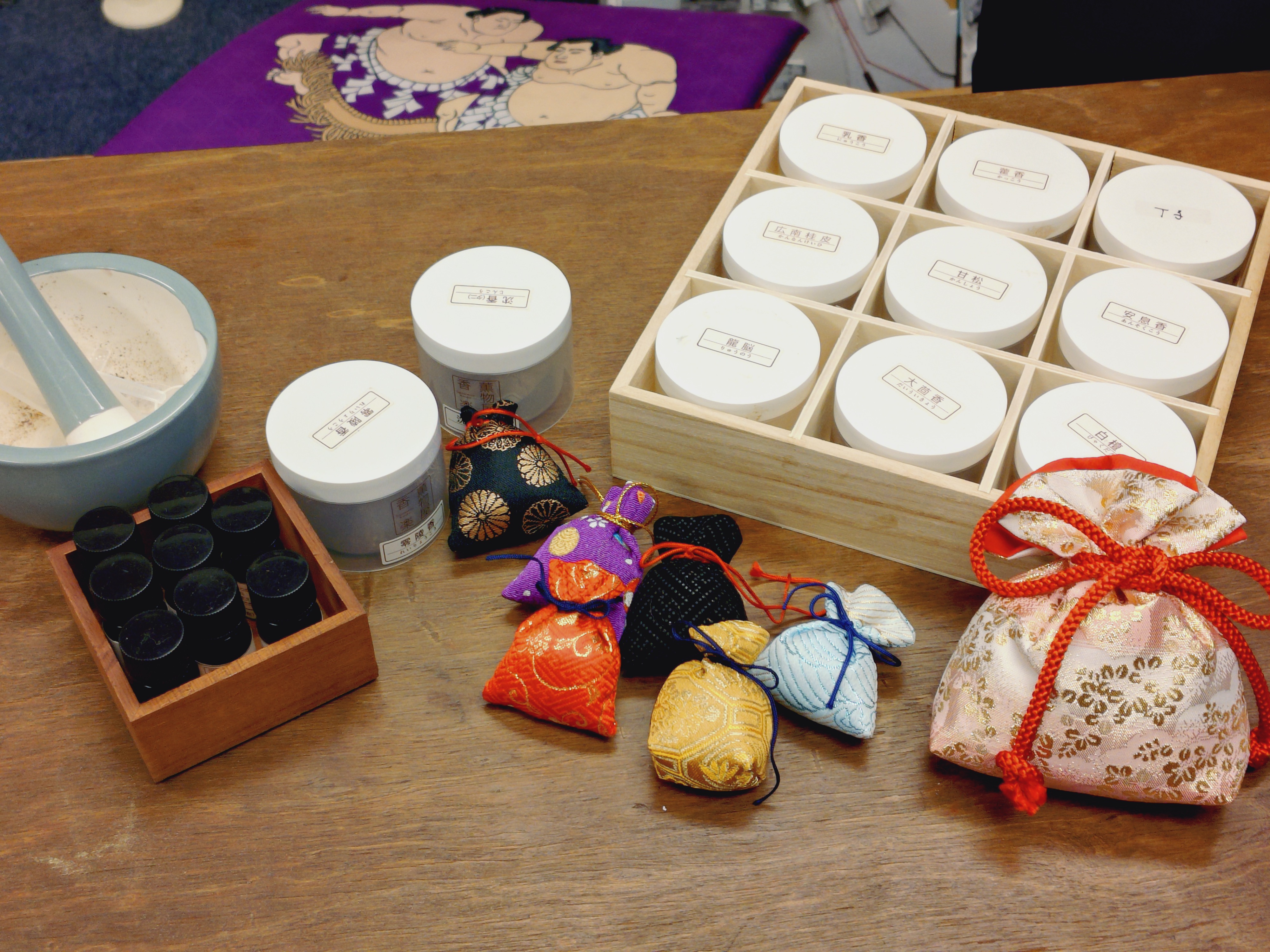
Traditional Japanese fragrance pouch
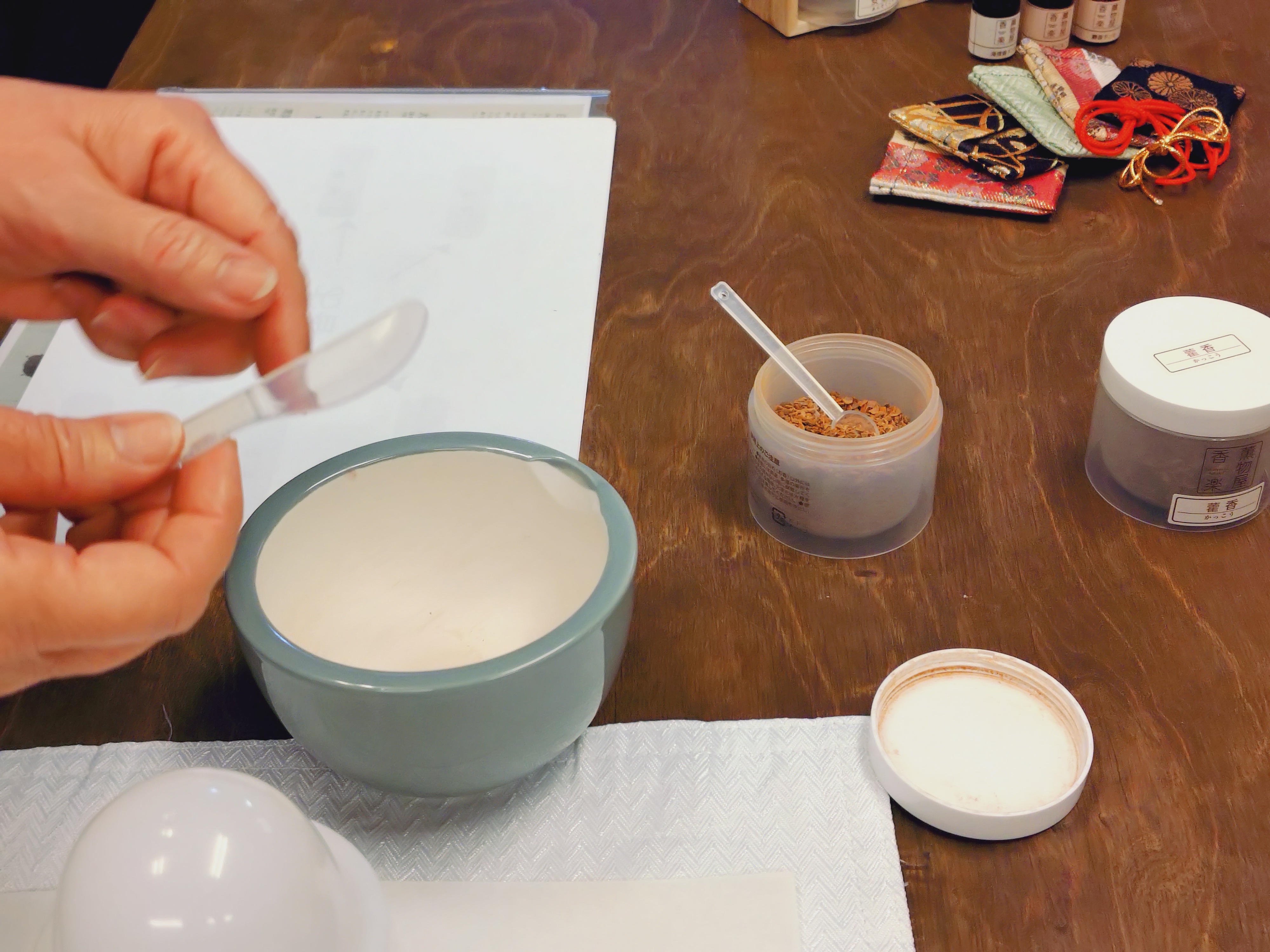
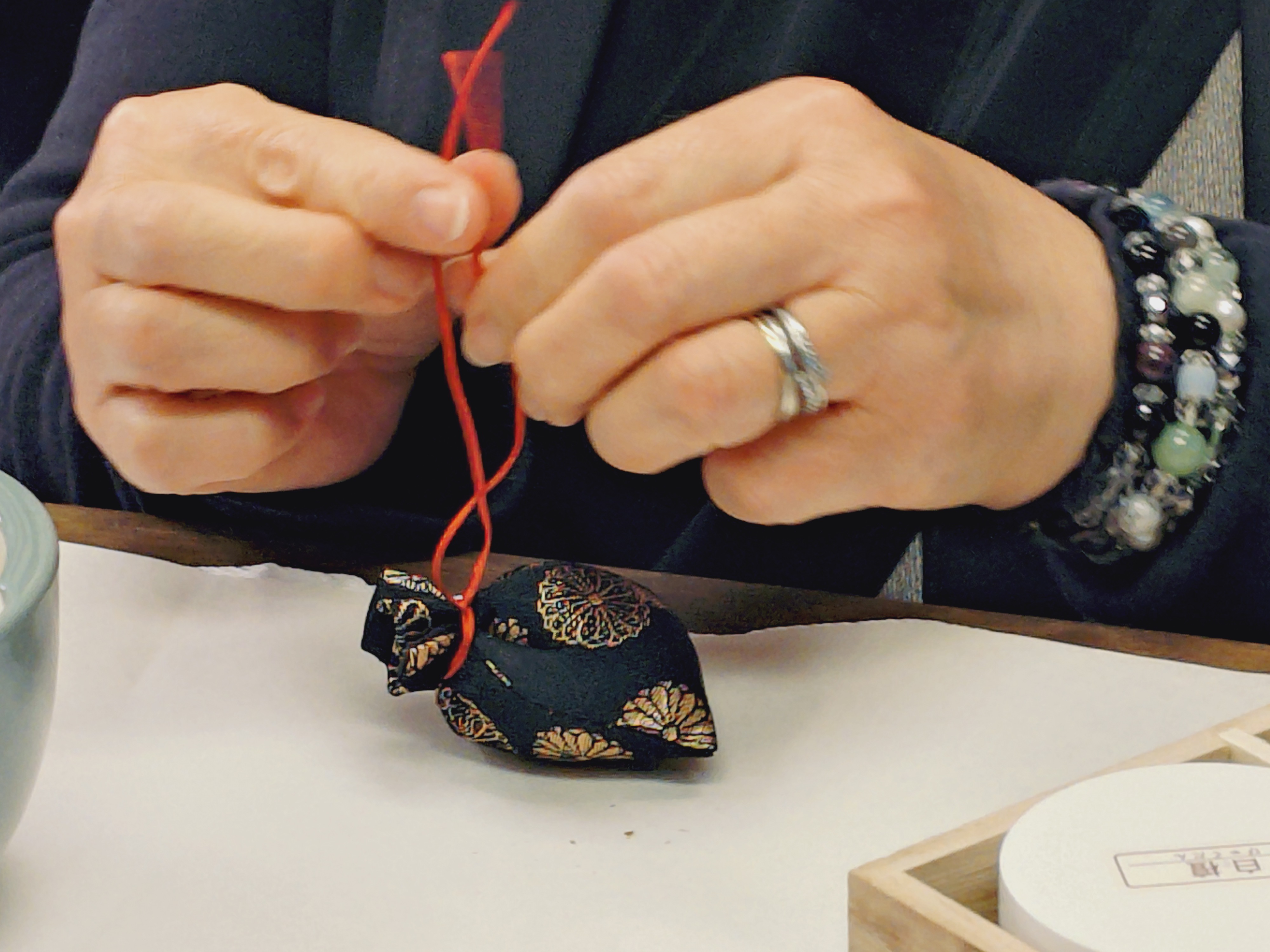
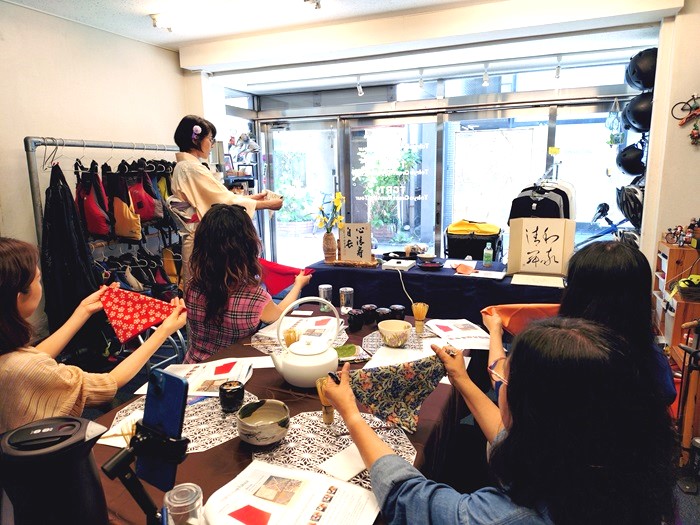
A Nioibukuro is a traditional Japanese fragrance item made by placing natural aromatic ingredients inside a small cloth pouch. It is also called a Kobukuro (fragrance pouch).The pouch contains natural ingredients such as sandalwood, clove, and cinnamon, which produce a gentle and elegant scent that lasts for a long time (from several months up to a year).During this experience, you will blend your own original fragrance according to your preference and place it into a Japanese-style pouch of your choice.You can attach it to your clothing or bag, carry it as a charm, or place it in your room or near your pillow to enjoy the fragrance.The experience lasts approximately 90 minutes.
-
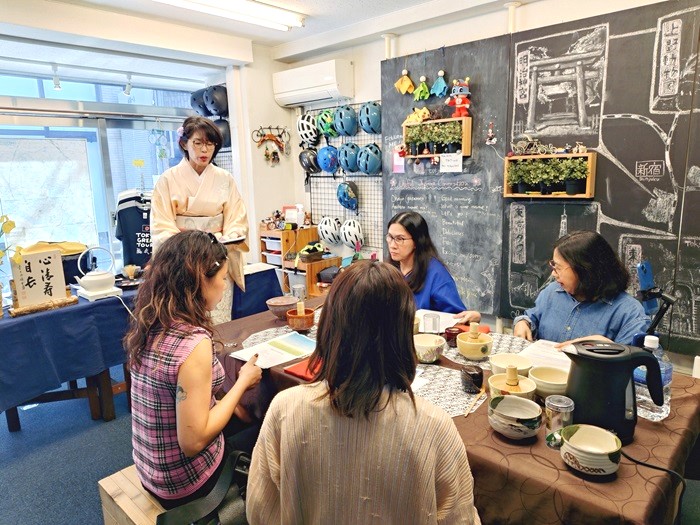
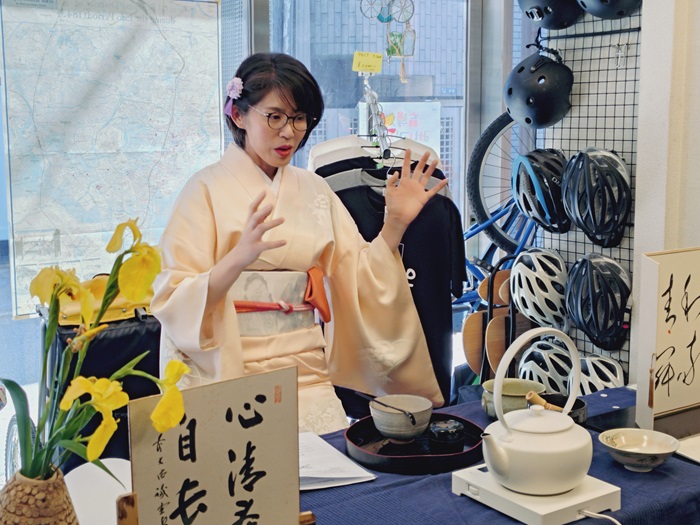
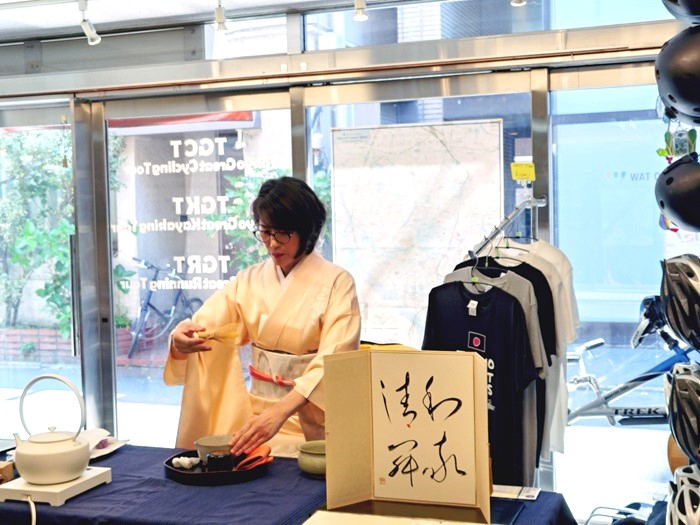
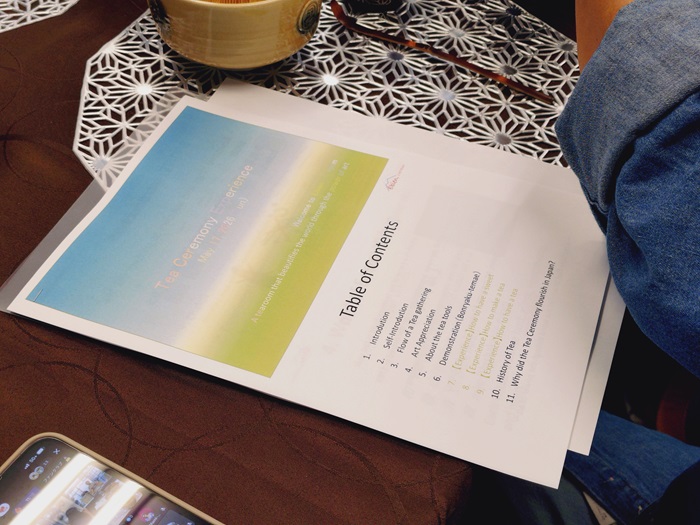
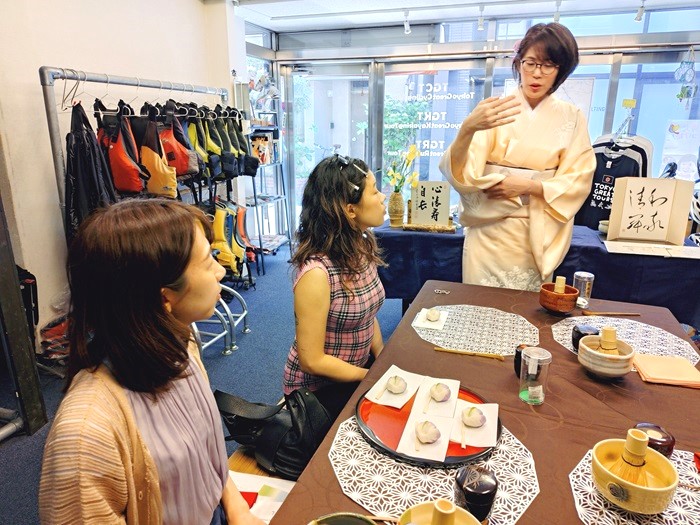
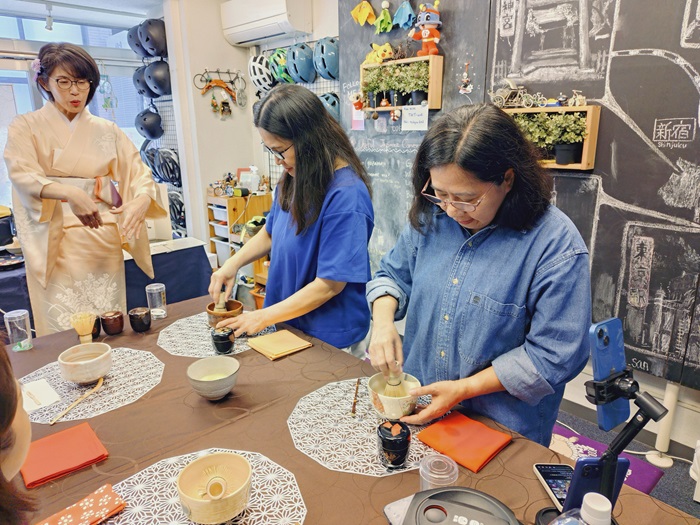
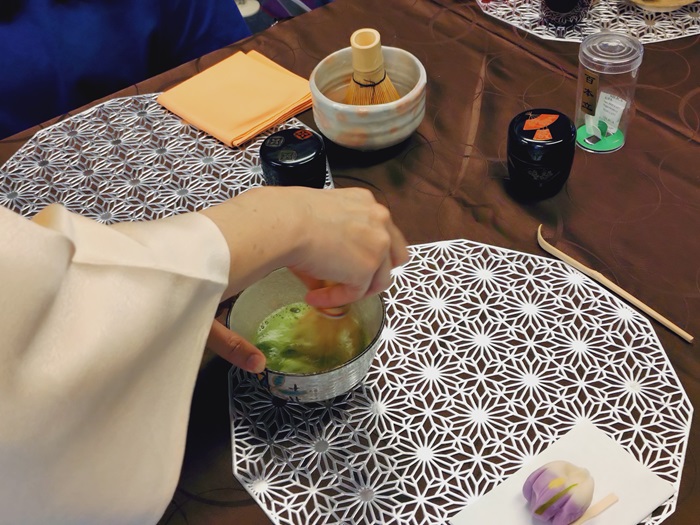
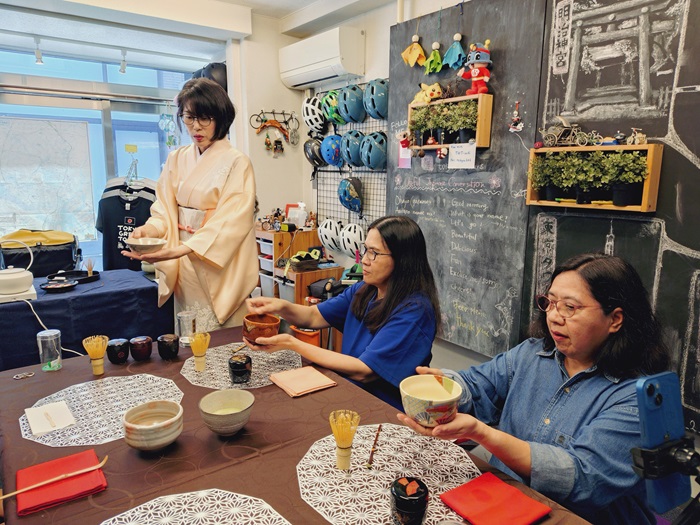
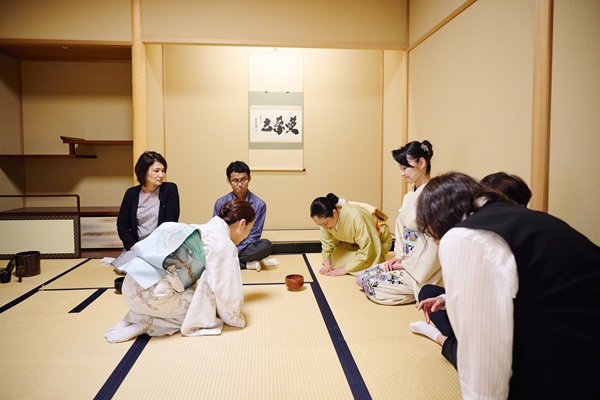
Tea Ceremony Workshop:
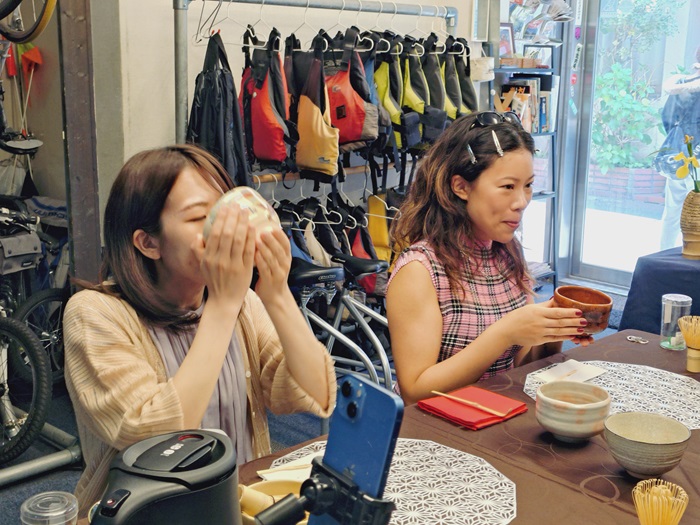
Knowledge & PracticeIn this Table-Style Tea Ceremony Experience, participants can learn tea ceremony etiquette and knowledge at a regular table instead of in a traditional tea room. Even those who are not comfortable sitting in the seiza position can enjoy the tea ceremony experience comfortably.
In a typical tea ceremony experience, the main activity is drinking matcha prepared by the tea master. However, in this experience, participants can prepare matcha themselves and serve it to other participants. -
Sunago
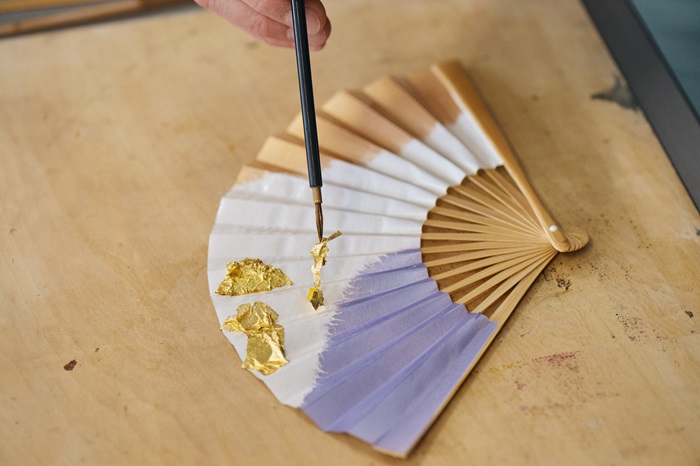
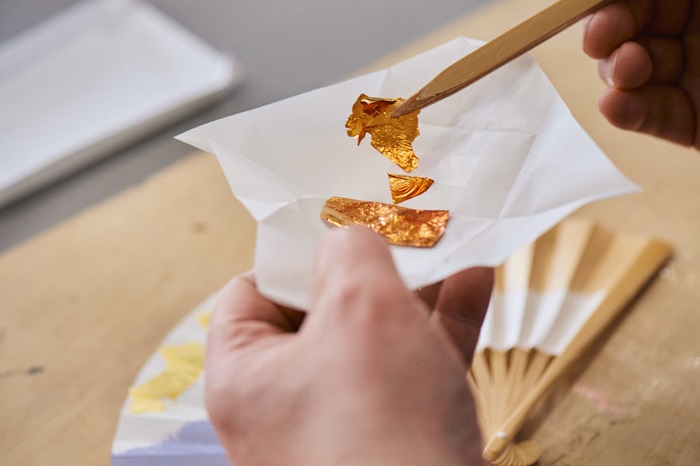
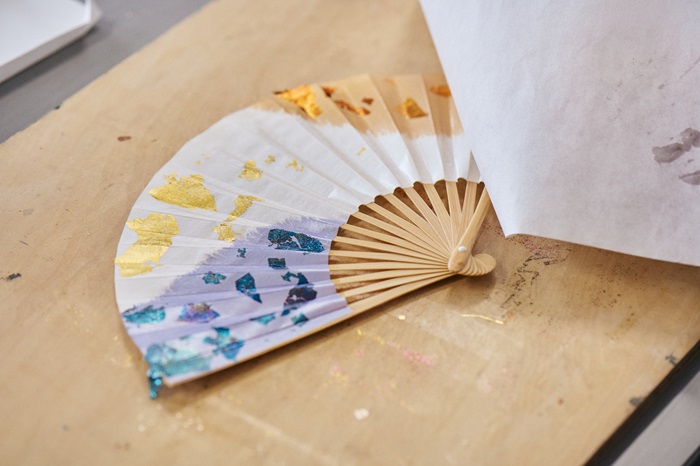
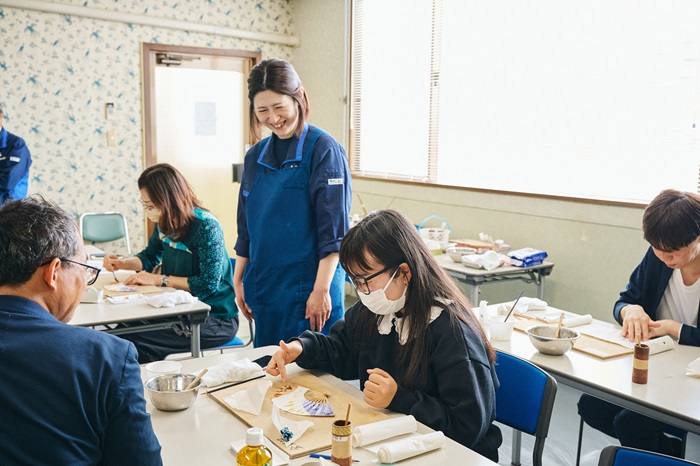
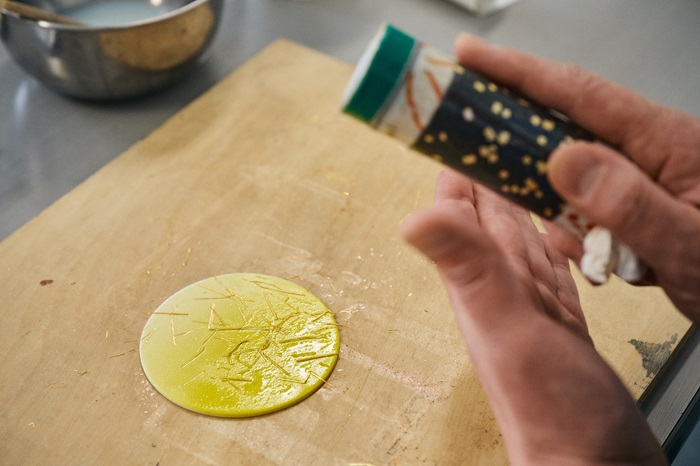
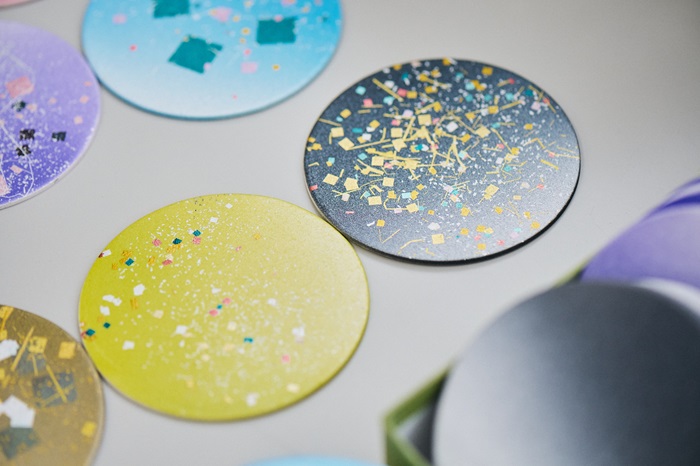
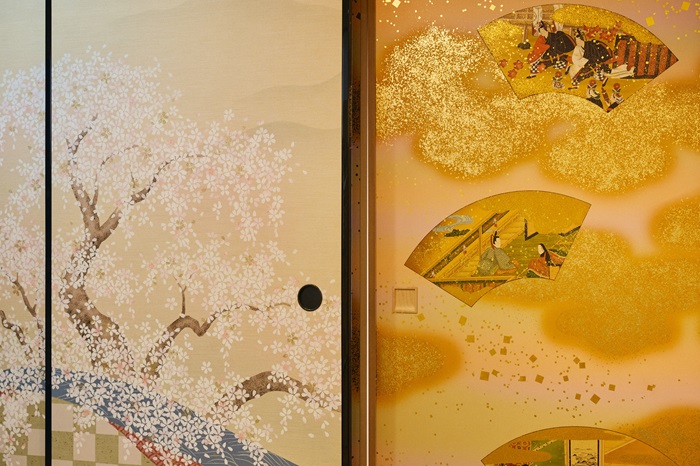
Sunago is a traditional technique dating back over 1,000 years, where powdered gold leaf is sprinkled onto paper or other surfaces. The name comes from its sand-like appearance.
Participants decorate items such as fans or coasters, making it a popular souvenir for international guests. -
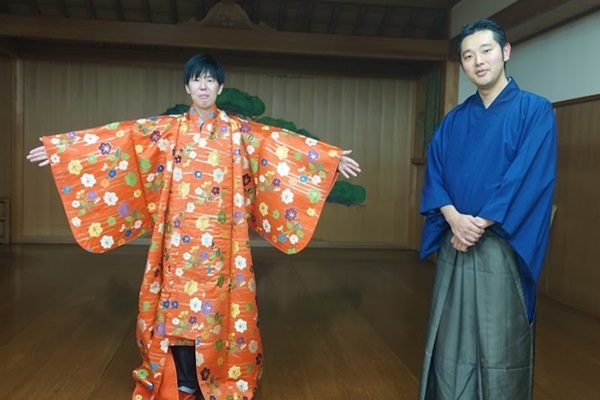
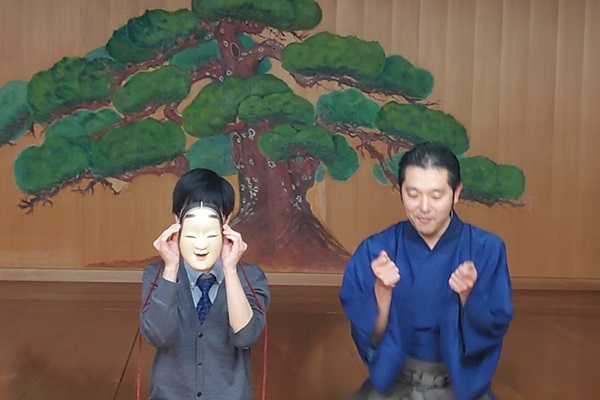
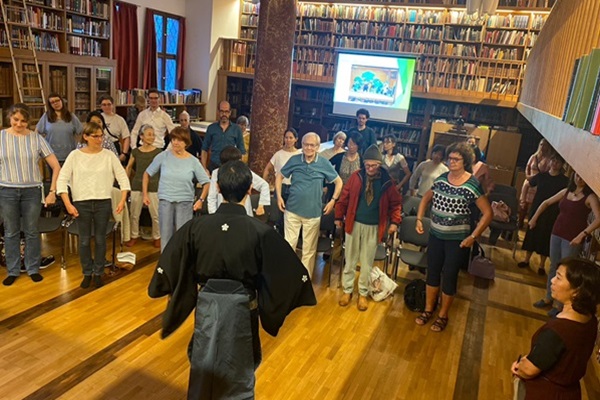
Noh Theatre
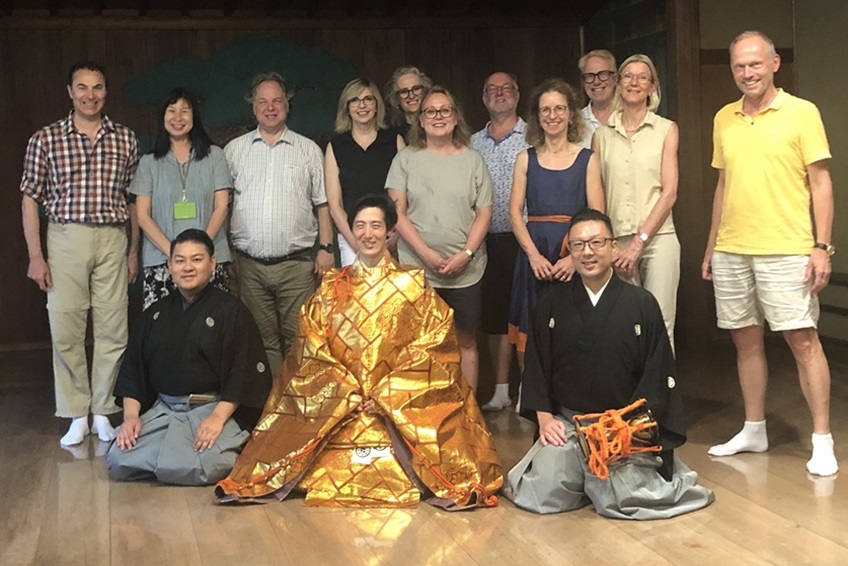
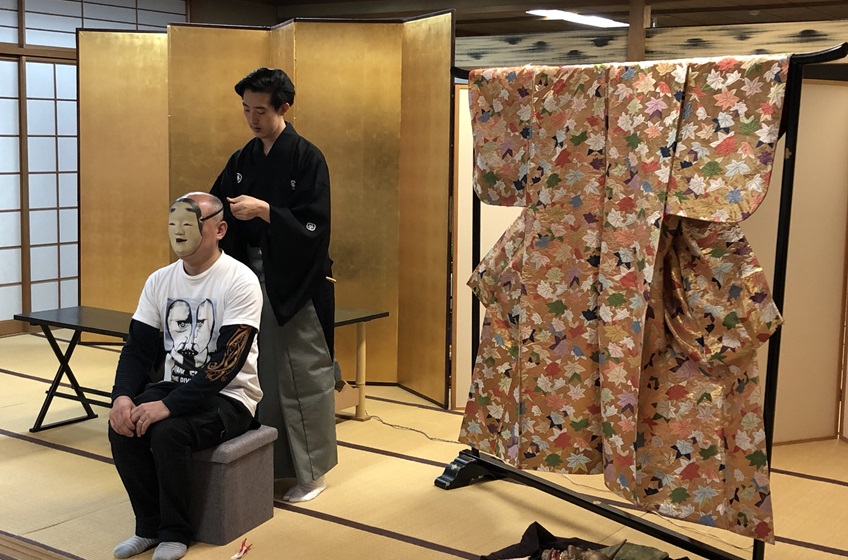
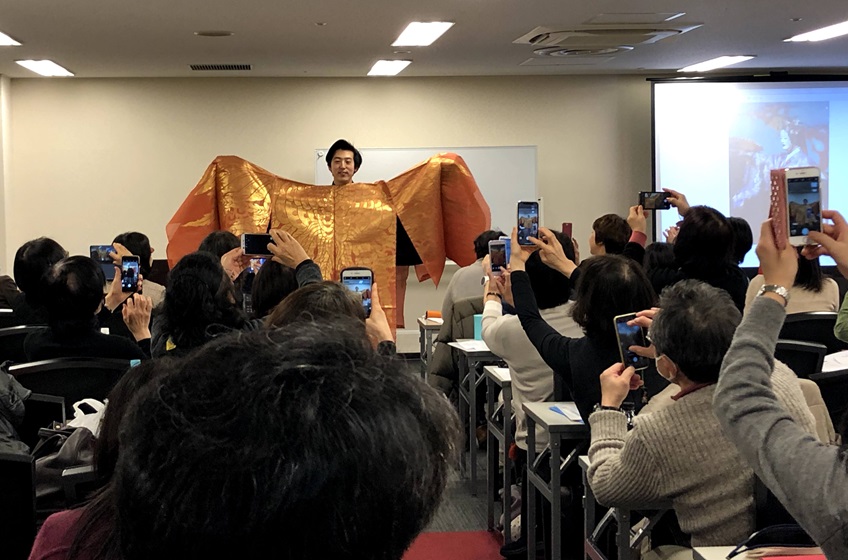
O-JAPAN specializes in Noh theatre experiences, which are rare and difficult to arrange elsewhere.
Noh is a classical Japanese performing art that has been performed continuously for over 600 years since the Muromachi period. -
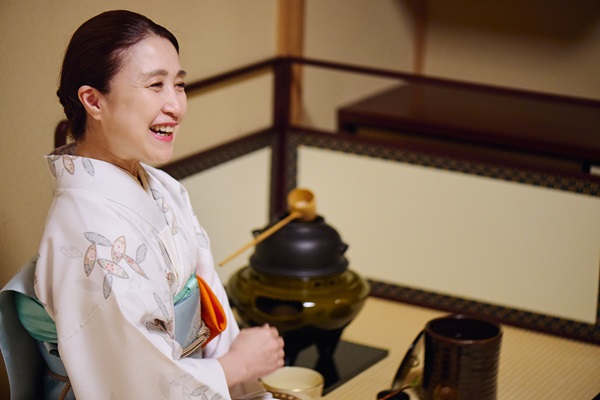
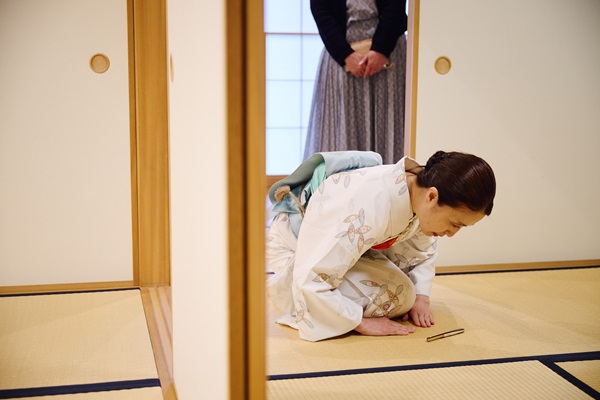
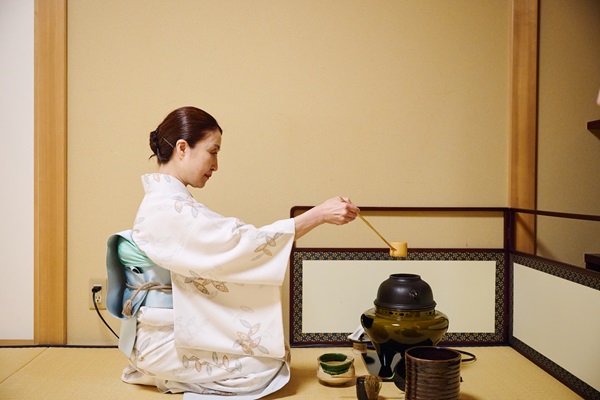
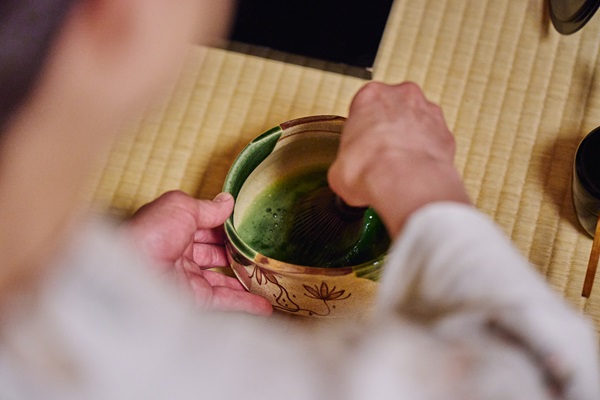
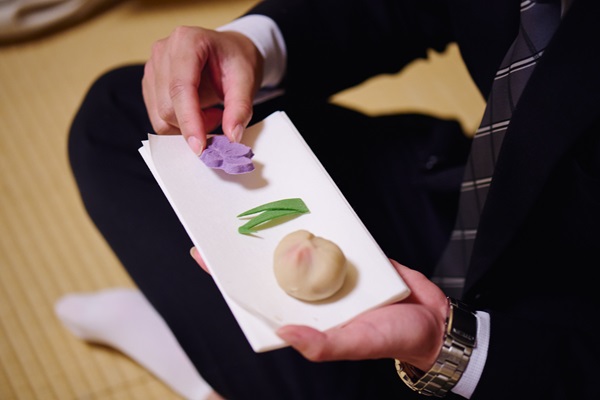
Tea Ceremony
The tea ceremony is a ritual of preparing and serving tea with a calm and mindful spirit.
Beyond drinking tea, it embodies hospitality, wabi-sabi, and refined aesthetics.
Guests can experience authentic Omotesenke-style tea ceremonies upon request. -
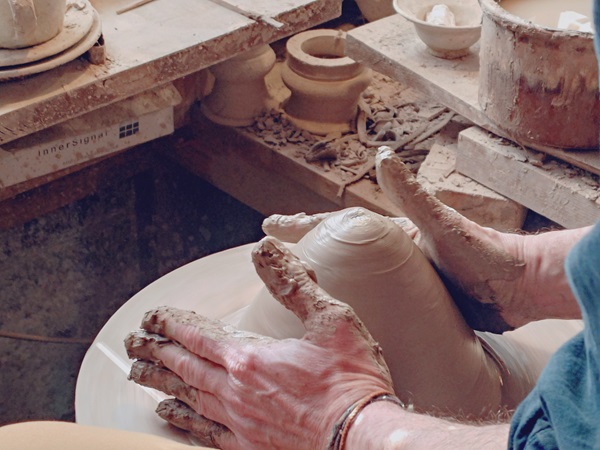
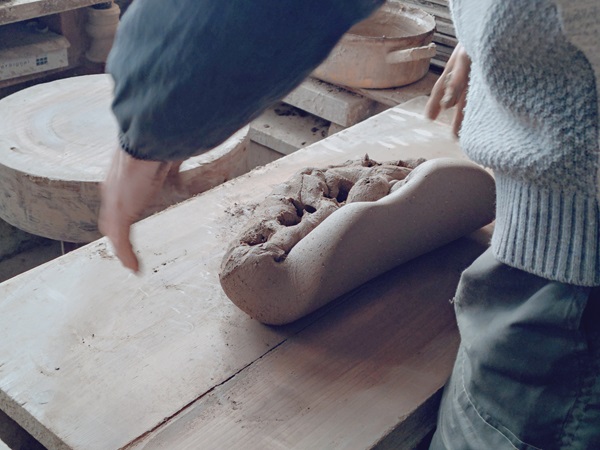
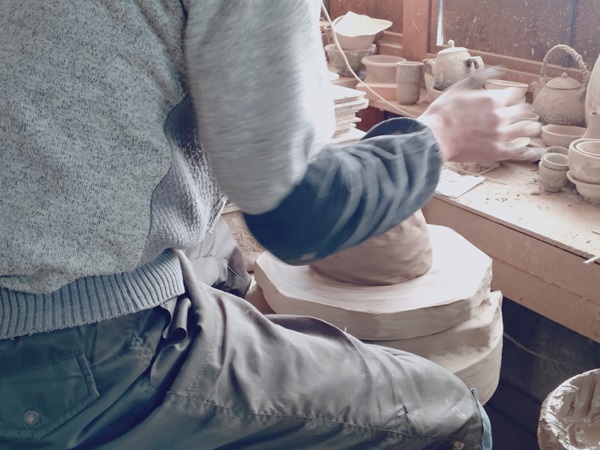
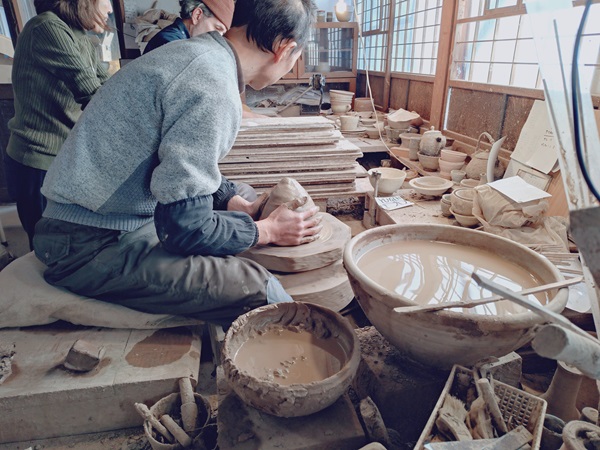
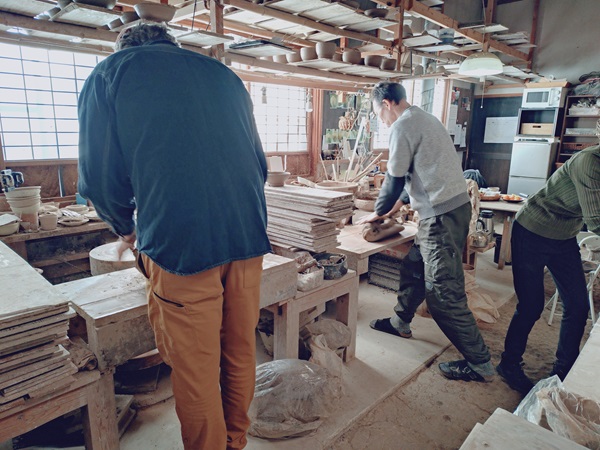
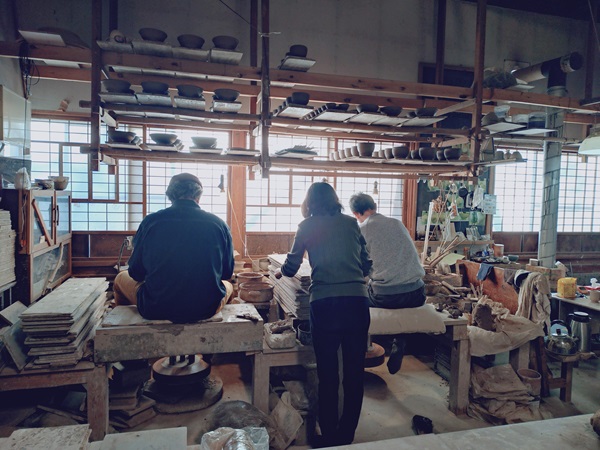
Pottery
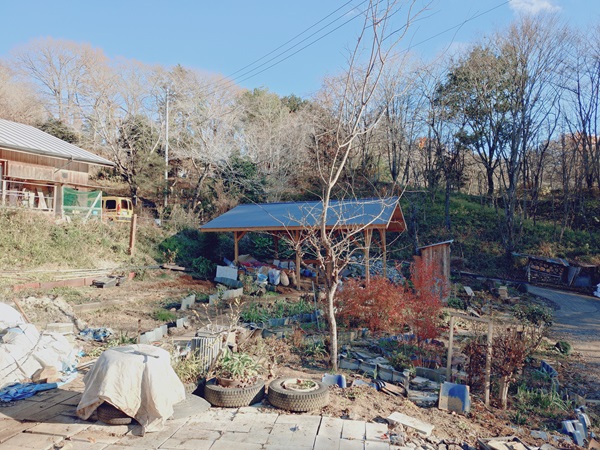
Mashiko Town is famous for its many ceramic artists and attracts pottery lovers from around the world.
Participants can enjoy casual workshops or intensive private lessons lasting 3–4 hours.
Long-term study plans are available. -
Taiko Drumming
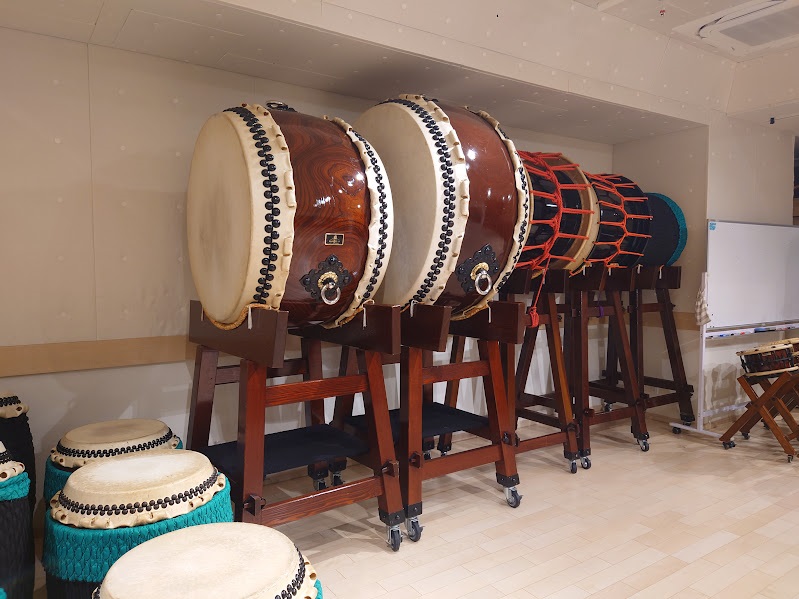
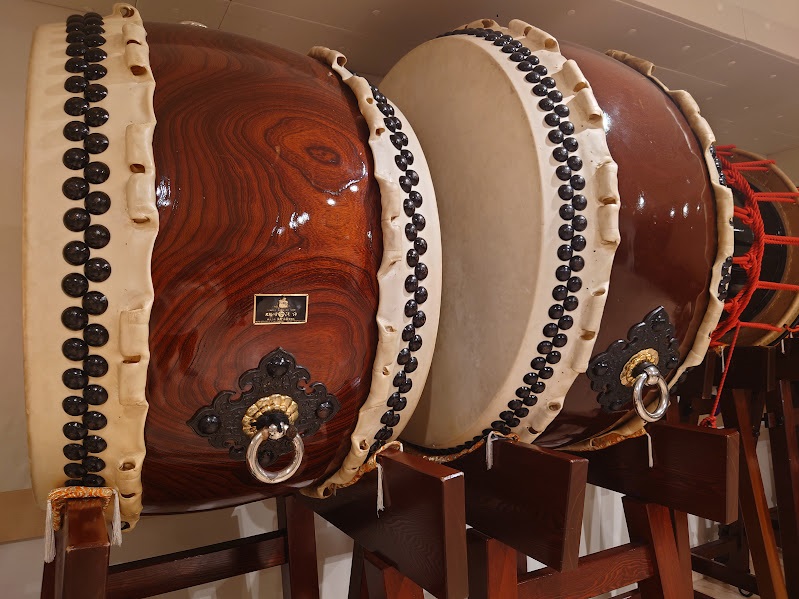
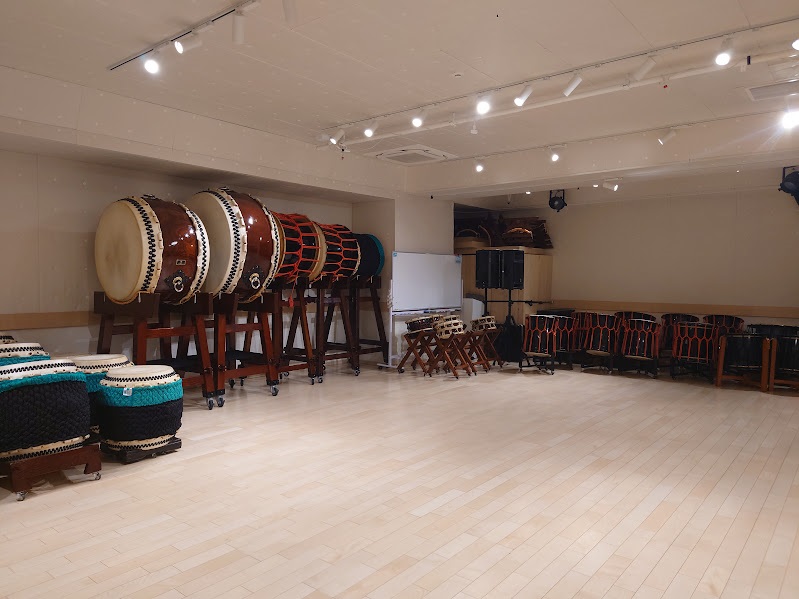
Experience authentic Japanese taiko drumming at a studio in Ota Ward, Tokyo, home to rare and valuable drums. Guests can play freely under professional instruction.
-
Kendo
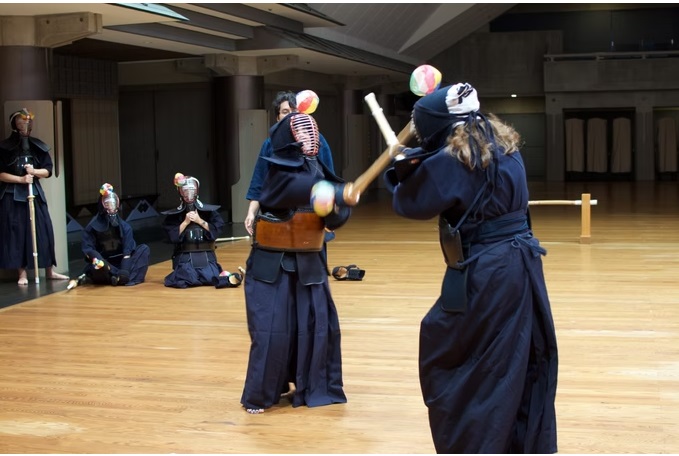
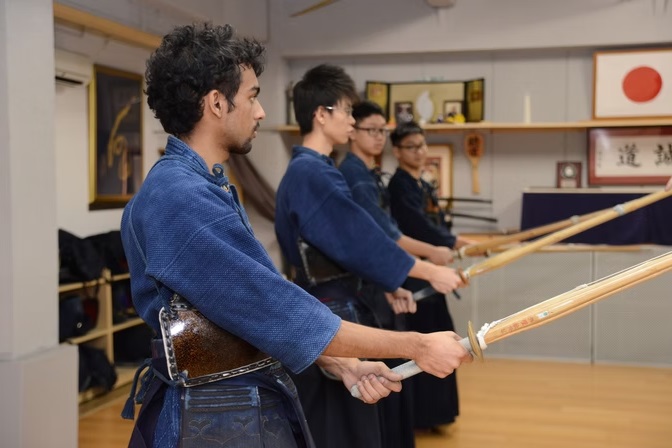
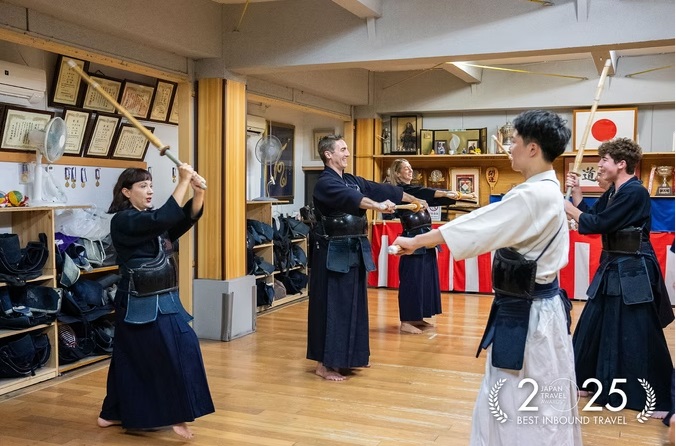
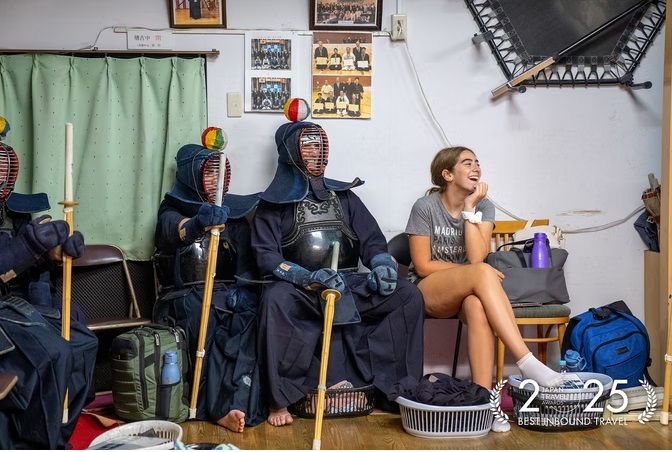
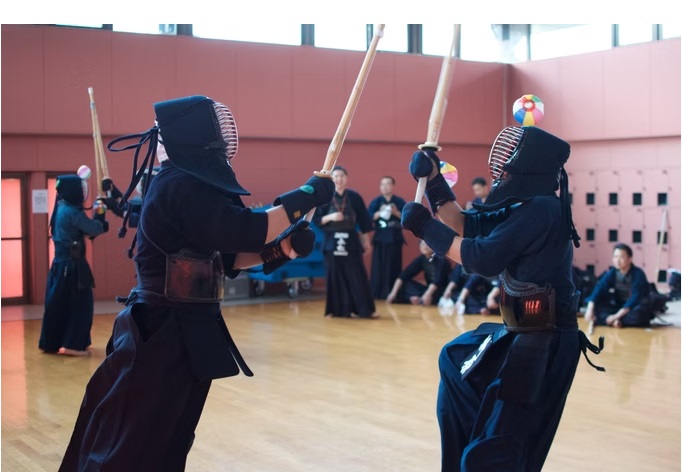
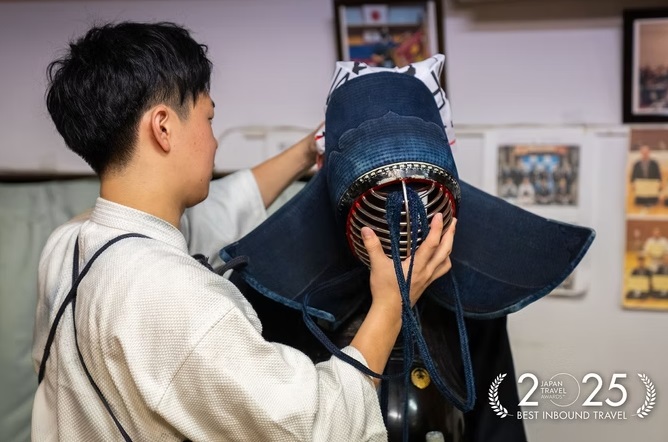
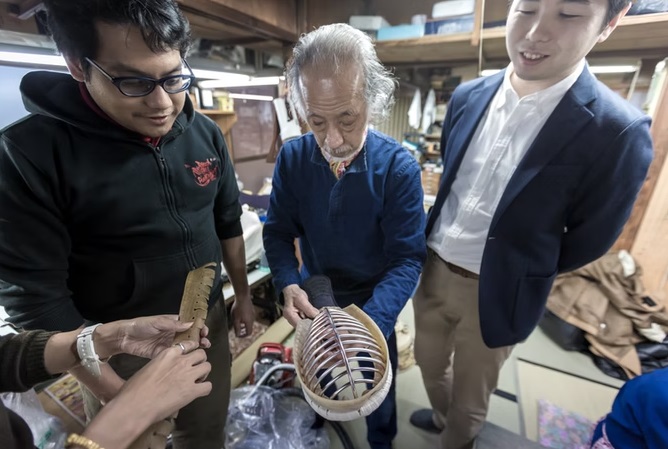
We offer kendo experiences in Tokyo, Kyoto, Osaka, Nagoya, and Okinawa. Participants learn not only techniques but also the spiritual aspects of Japanese martial arts.