Kintsugi Workshop Overview
| Date & Time | April 5, 2026 (Sunday) Morning Session: 11:00 AM – 12:30 PM (90 minutes) |
|---|---|
| Location | 1-3-2 Shinkawa, Chuo-ku, Tokyo ※Google Maps may point to a yakitori restaurant, but the workshop venue is just next to it, on this side. Approx. 5-minute walk from Kayabacho Station (Hibiya Line / Tozai Line), Exit 3 Approx. 20-minute walk (approx. 1.5 km) from Tokyo Station, Yaesu North Exit |
| Fee | ¥10,000 per person (tax included) *Please pay at the venue on the day. Cash only. Credit cards are not accepted. |
| Reservations & Inquiries | To Make a Reservation: Please email us at the address below with the number of participants, your country of residence, name, email address, and mobile phone number. Email: info@o-japan.co.jp (Contact: Urasawa) O-Japan Inc. 2-28-10 Ebisu, Shibuya-ku, Tokyo |
| Instructor | Shamanji Mashita (Kintsugi artist and workshop host based in Kawagoe, Saitama Prefecture) https://www.instagram.com/koedo.kintugi |
| Others | Nioibukuro Workshop (Traditional Japanese Fragrance Pouch) Date & Time: Sunday, April 19, 2026 11:00 AM – 12:30 PM https://utsukushii-japan.com/en/news/260417index.php |
Kintsugi Workshop Details
In traditional Kintsugi, the process can take several months, as it includes time for the lacquer to dry.
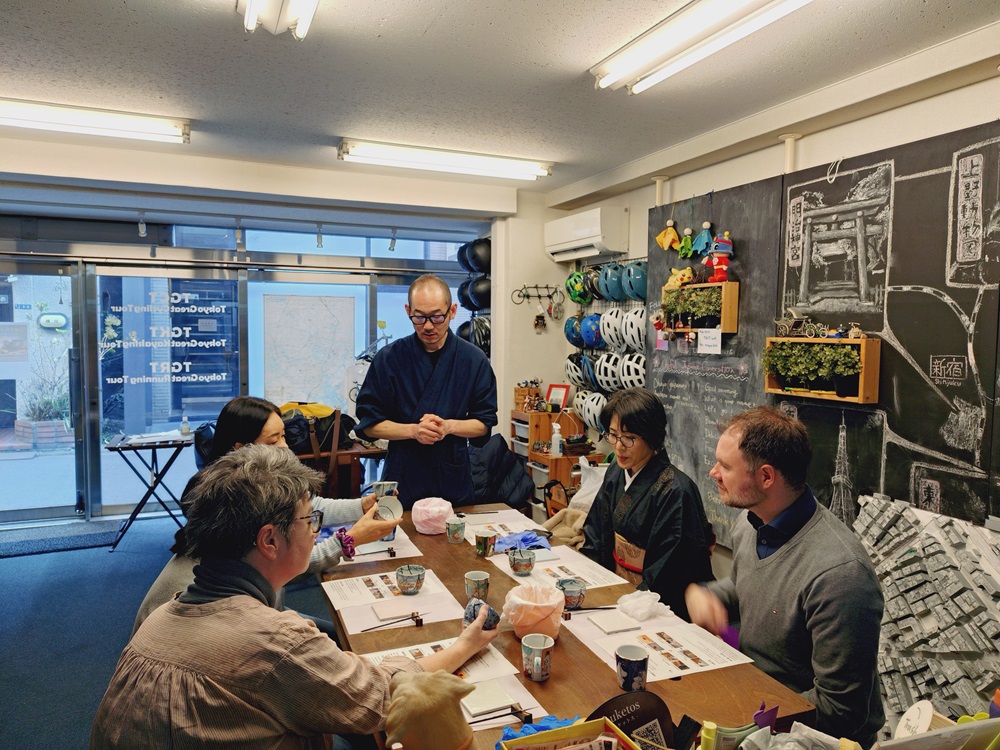
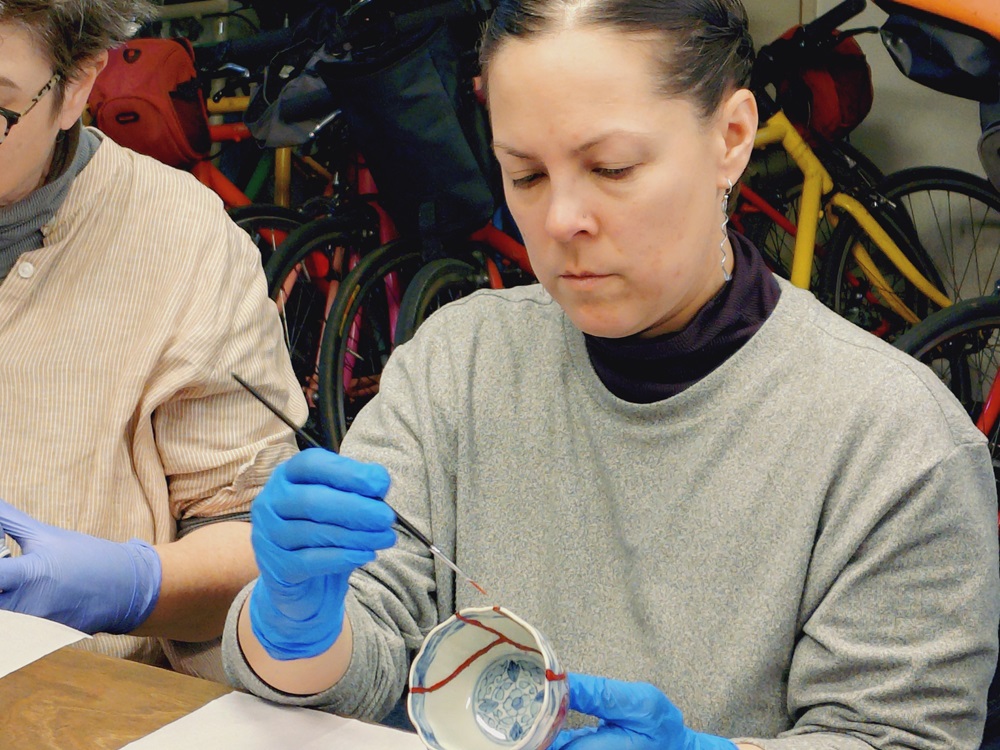
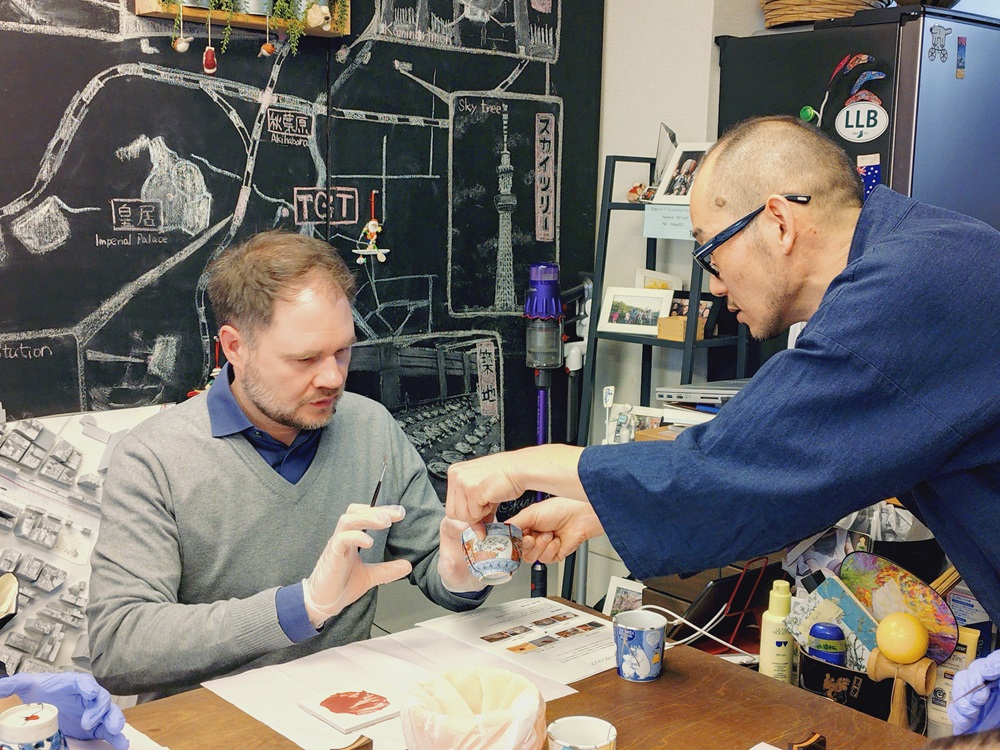
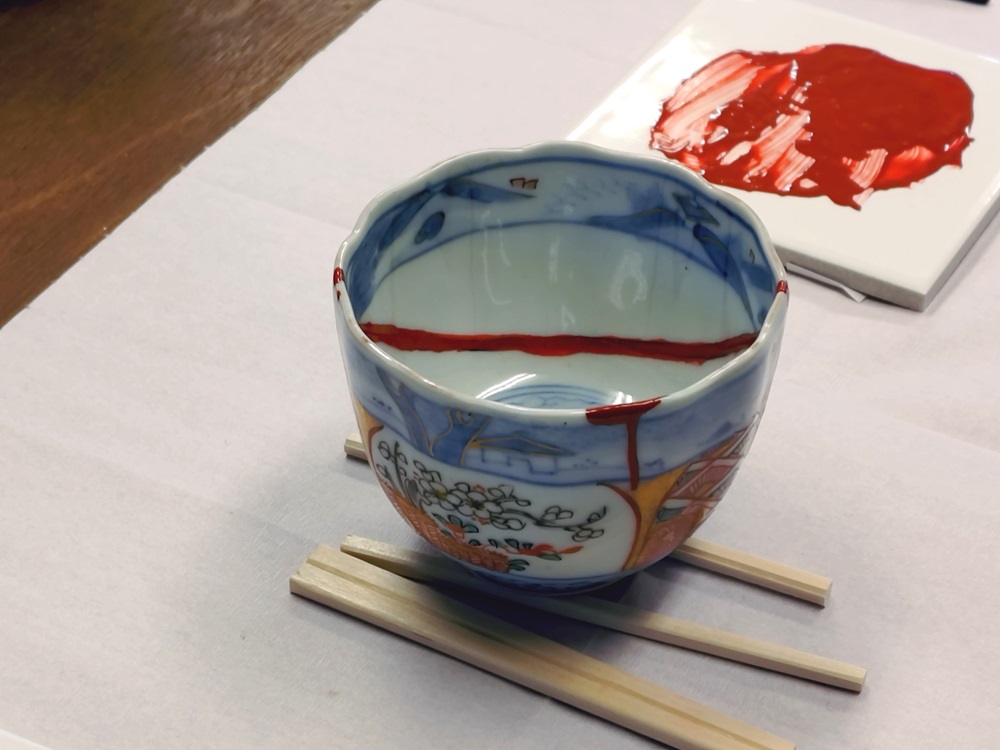
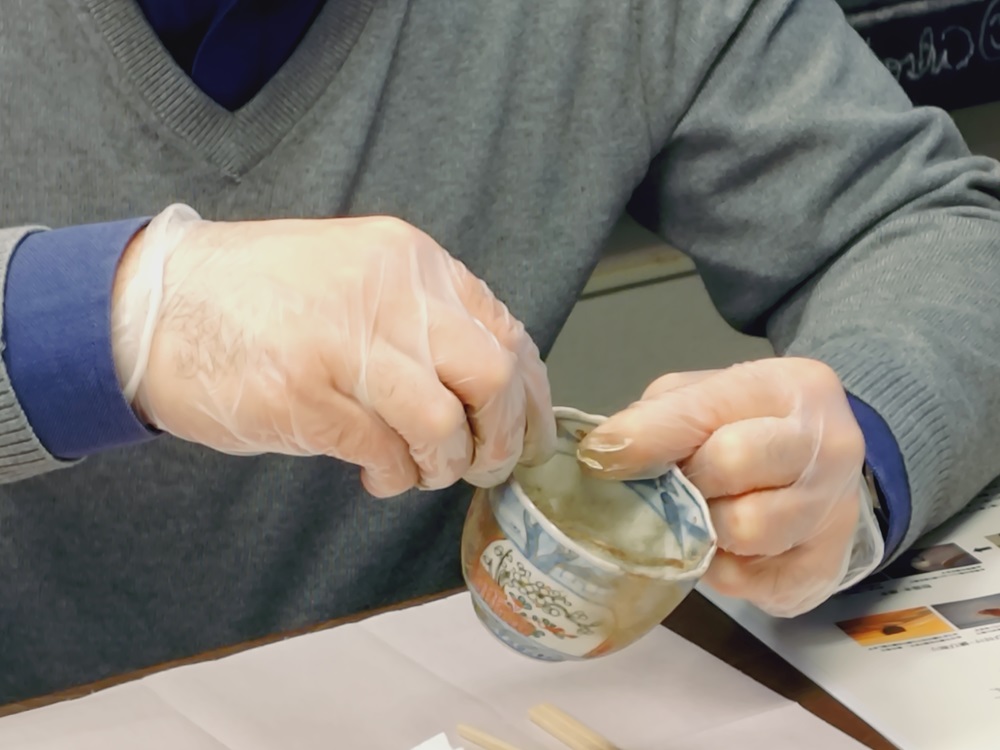
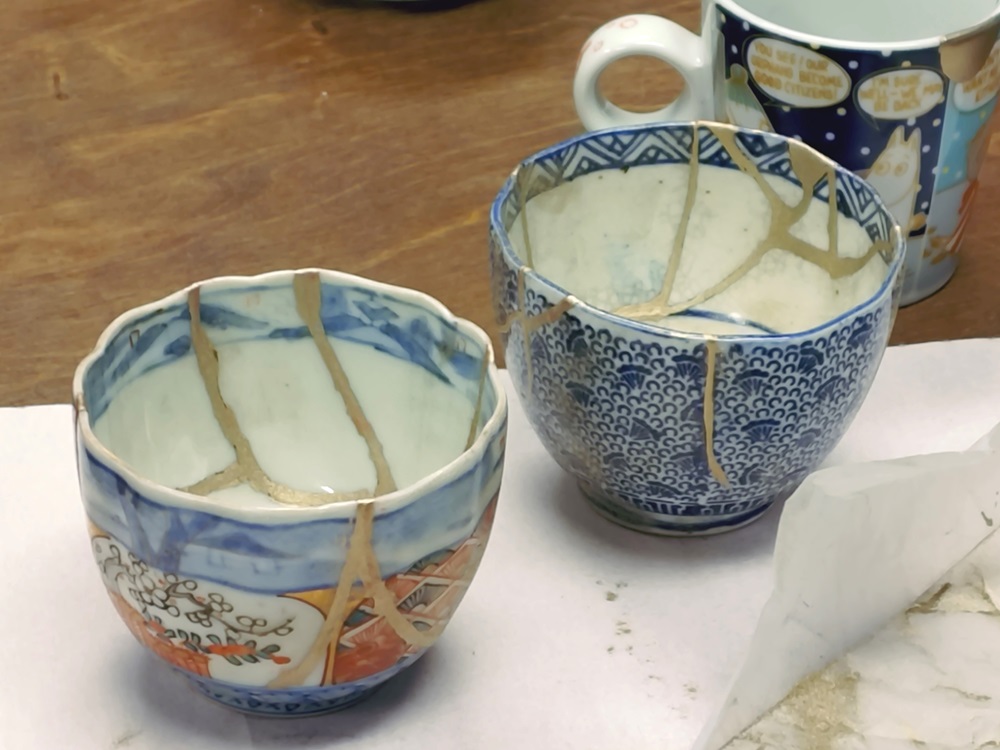
In this workshop, you will experience the final stage of Kintsugi. You will apply lacquer to the repaired cracks using a fine brush, and then decorate them with gold powder or a gold-like alternative. Due to the recent rise in gold prices, we use brass powder instead.
You will be able to take your finished piece home. After the workshop, please keep it in a humid environment for a few days to allow the lacquer to dry, after which it can be used.
Note: Contact with lacquer can cause a rash and itching that lasts for about two weeks. Please wear the rubber gloves provided during the workshop.
-
What is Kintsugi?
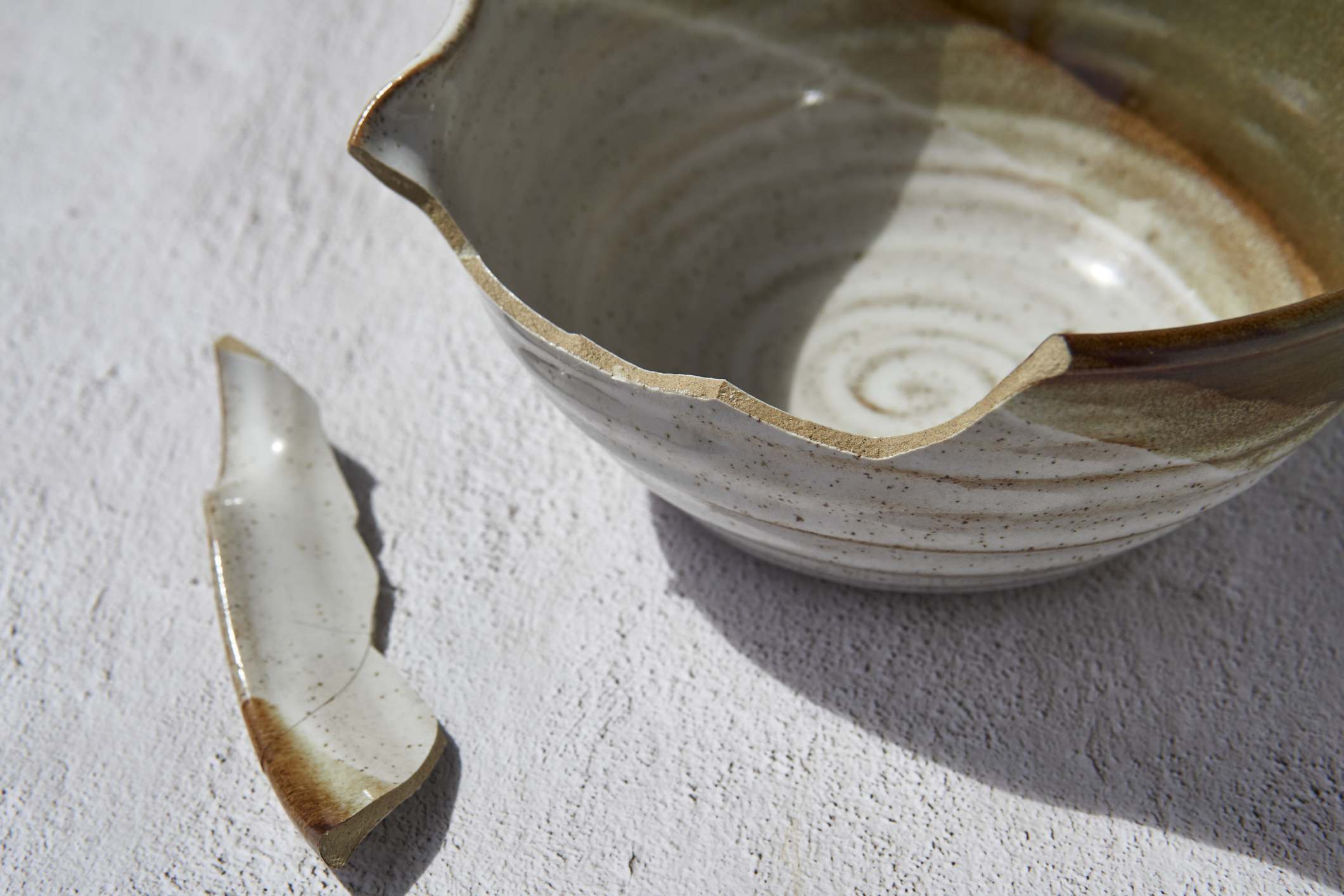
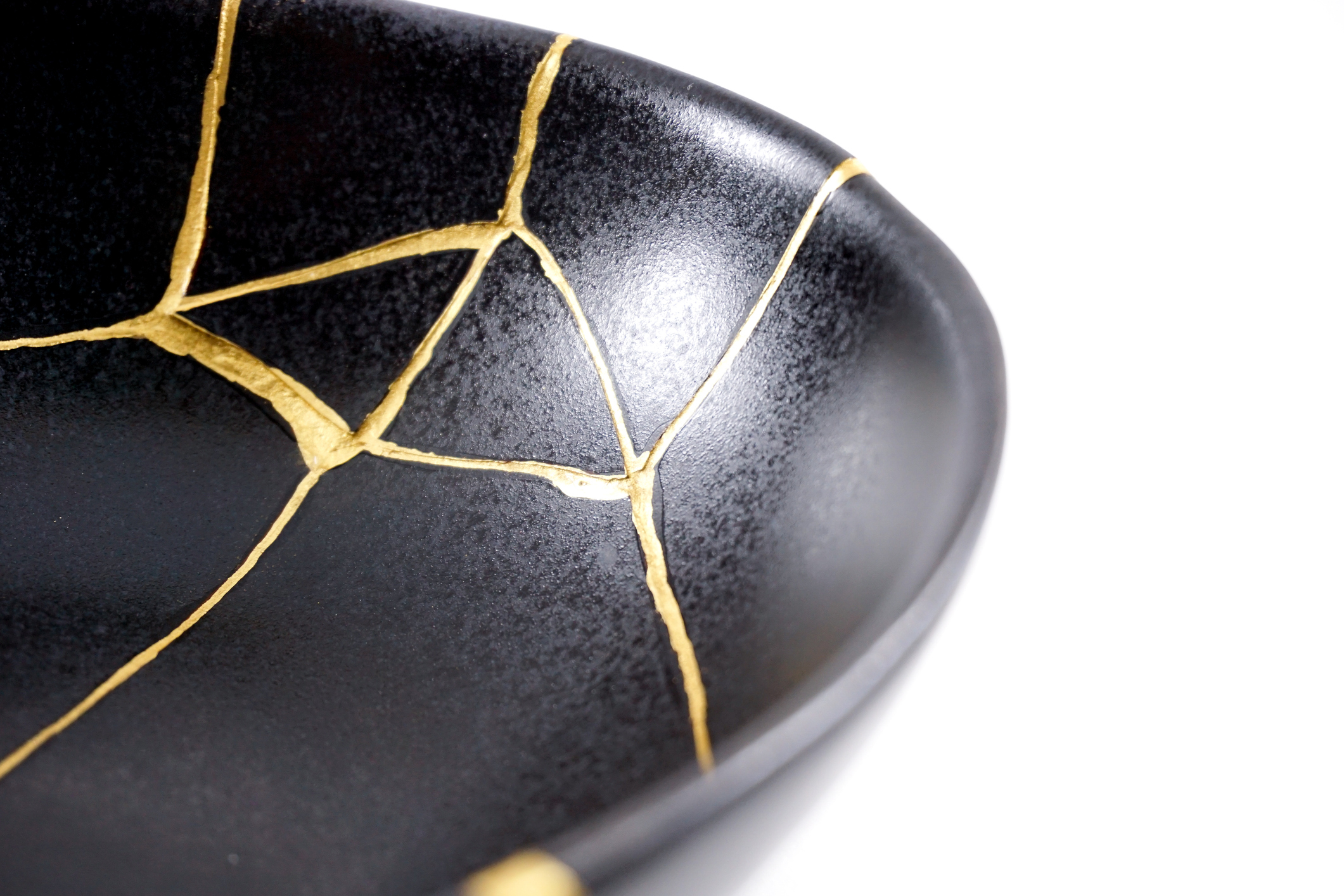
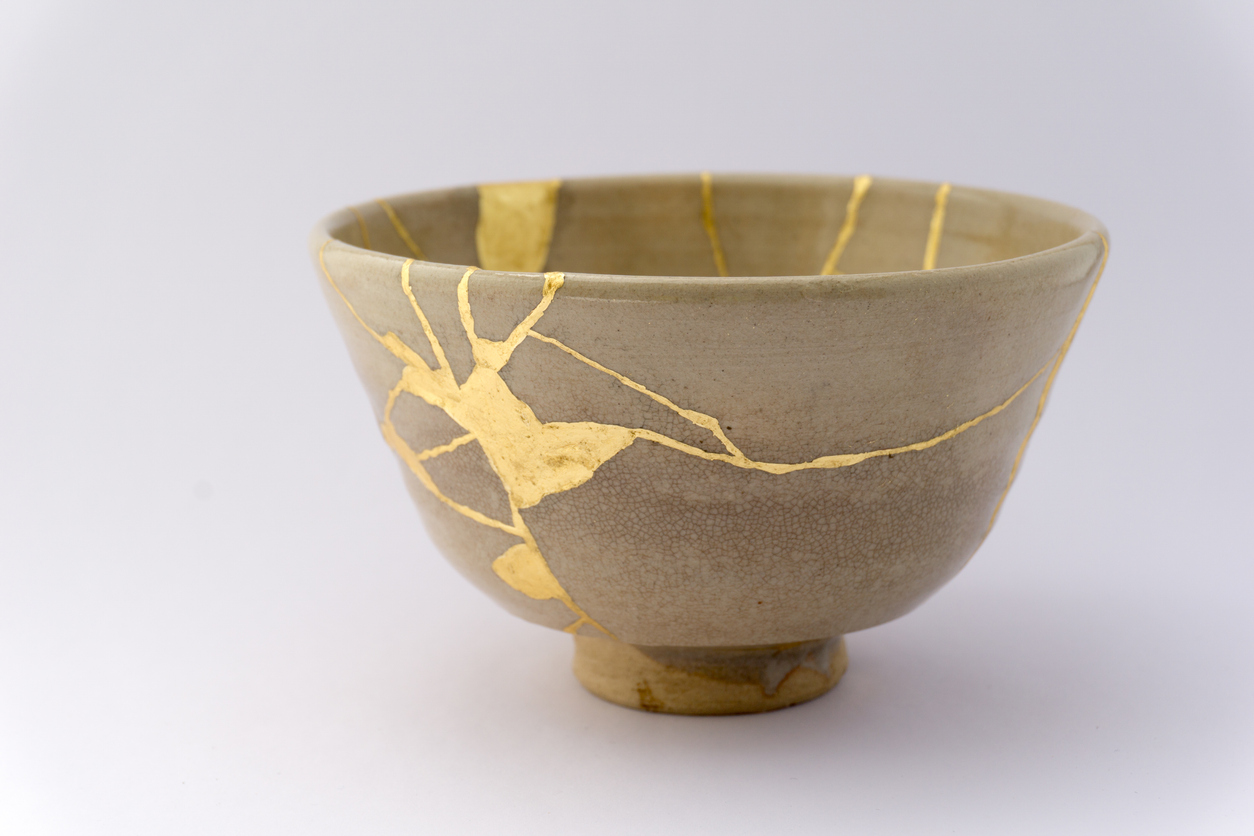
Kintsugi is a traditional Japanese repair technique. It involves bonding broken or chipped ceramics with lacquer and decorating the seams by sprinkling them with gold powder. While lacquer-based repairs date back to the Jomon period (approximately 10,000 years ago), it is believed that Kintsugi, specifically using gold powder, became widespread alongside tea culture during the Muromachi period (approximately 1,300 years ago). The Kintsugi experience is gaining popularity as a fascinating way to revive your own special pottery, allowing you to connect with the Japanese aesthetic and the spirit of cherishing objects.
-
What is Urushi?
The Urushi used in lacquerware is sap harvested from the lacquer tree. To collect it, incisions are made in the bark of trees that are approximately 15 years old. Today, over 95% of the lacquer used in Japan is imported, which makes domestically produced lacquer extremely rare. In recent years, however, demand for domestic lacquer has surged, particularly for the restoration of Important Cultural Properties.
-
Workshop Details
In traditional Kintsugi, the process can take several months, as it includes time for the lacquer to dry.
In this workshop, you will experience the final stage of Kintsugi. You will apply lacquer to the repaired cracks using a fine brush, and then decorate them with gold powder or a gold-like alternative. Due to the recent rise in gold prices, we use brass powder instead.
You will be able to take your finished piece home. After the workshop, please keep it in a humid environment for a few days to allow the lacquer to dry, after which it can be used.
Note: Contact with lacquer can cause a rash and itching that lasts for about two weeks. Please wear the rubber gloves provided during the workshop.
-
What You Will Learn
Through Kintsugi, you can learn about Wabi-Sabi, a concept that lies at the heart of Japanese culture.Kintsugi is a traditional technique that clearly embodies Wabi-Sabi.
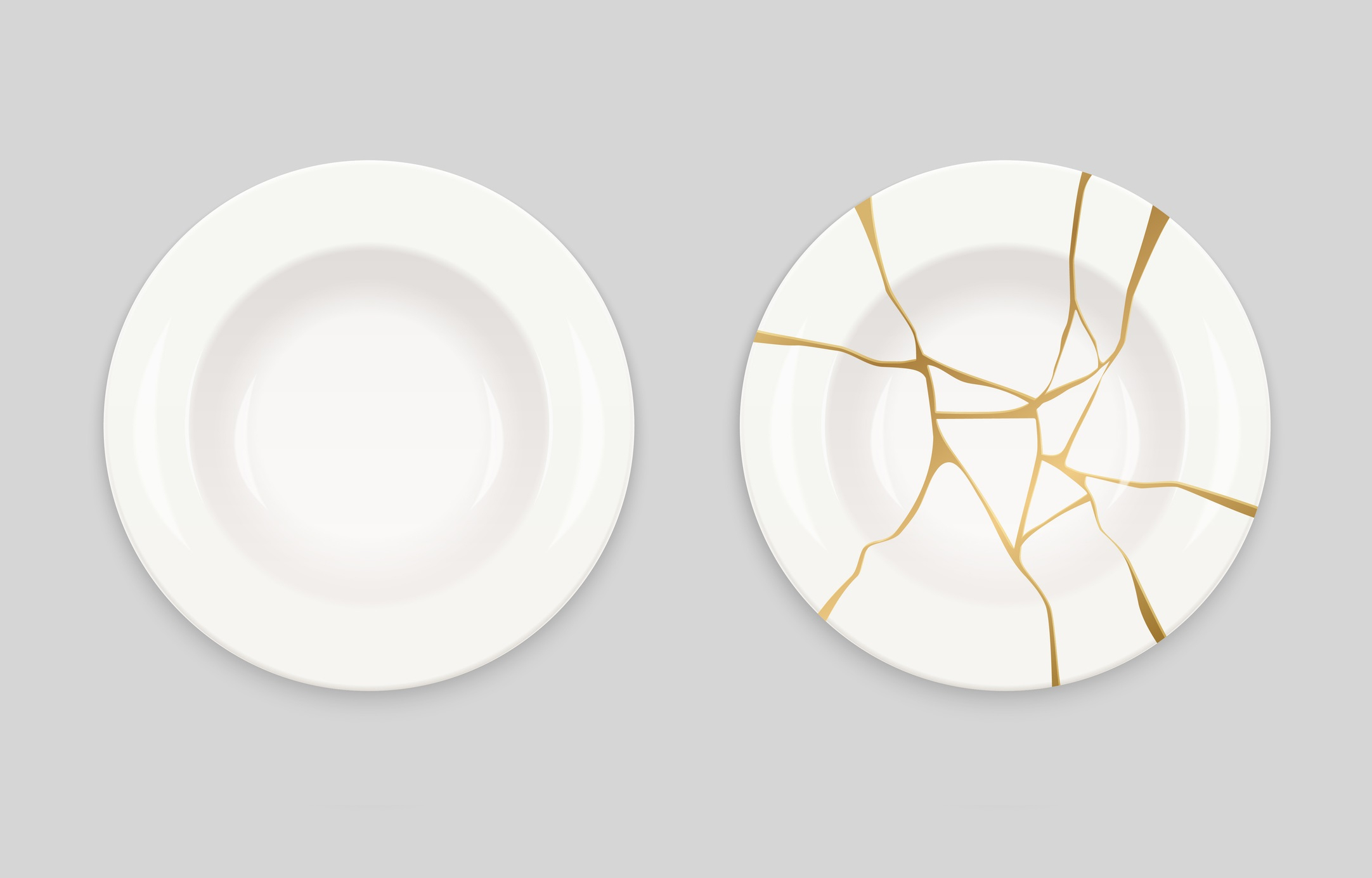
This method involves bonding broken pottery with lacquer and decorating the seams with gold.Instead of hiding the repairs, this technique emphasizes them, bestowing a new beauty upon the piece.From a Western perspective, when an object breaks and becomes imperfect, it often signifies the end of its value.However, the philosophy of Wabi finds richness in simplicity and imperfection rather than in perfection.It teaches us to cherish cracks and chips as the unique personality of the piece.This attitude is the essence of the Wabi spirit.A broken piece is not defective; through Kintsugi, it is reborn as something with a new kind of beauty.
The golden repair marks on a Kintsugi piece perfectly embody Sabi. Sabi refers to the beauty of appearance that emerges with the passage of time. The cracks and chips are traces of the events that occurred throughout the piece's history.
Kintsugi does not erase these traces but intentionally highlights them with beautiful lines of gold. By accentuating the scars left by time, it creates a new aesthetic that did not exist in the original piece. -