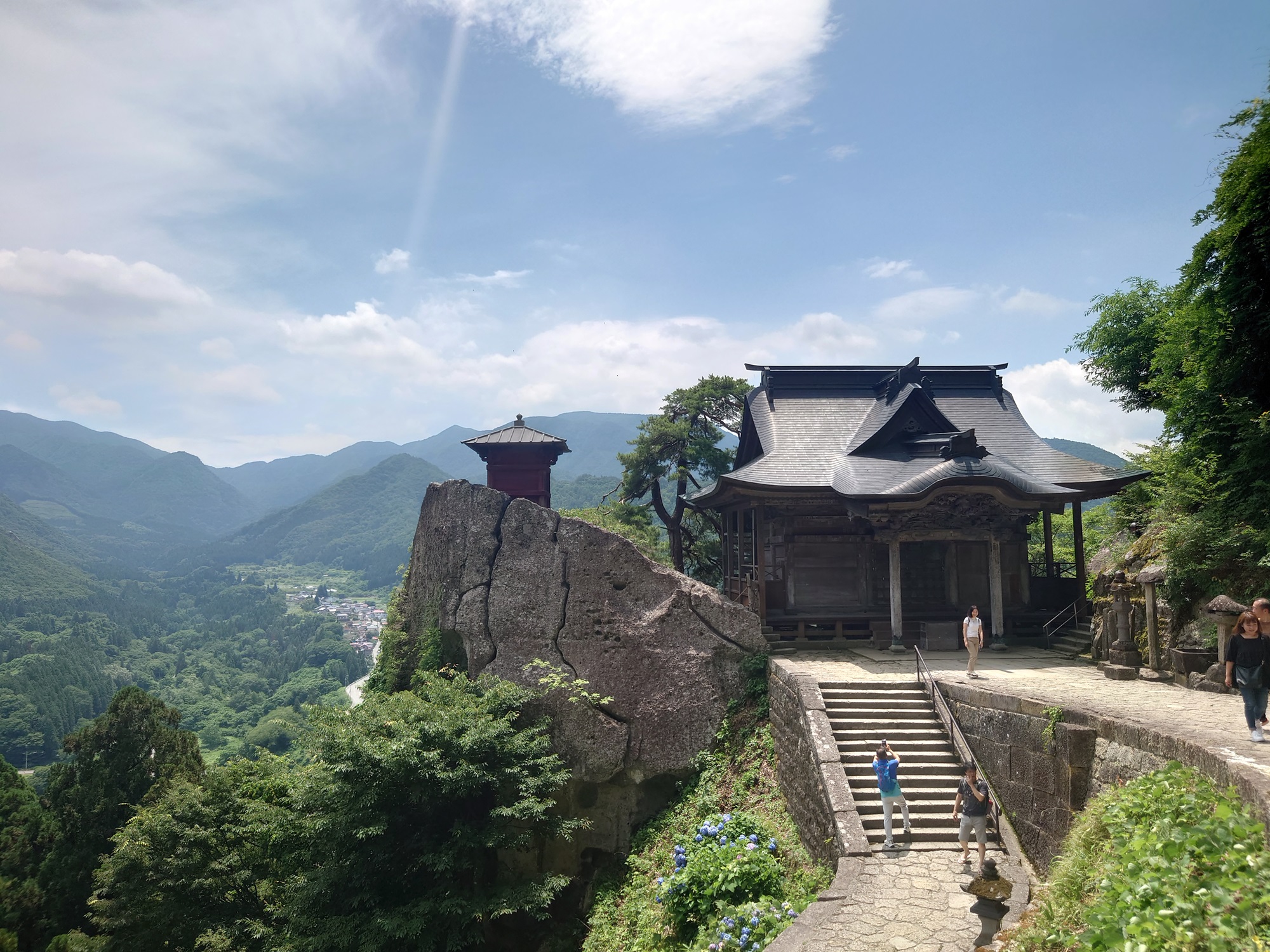
Yamadera Temple(Yamagata prefecture)
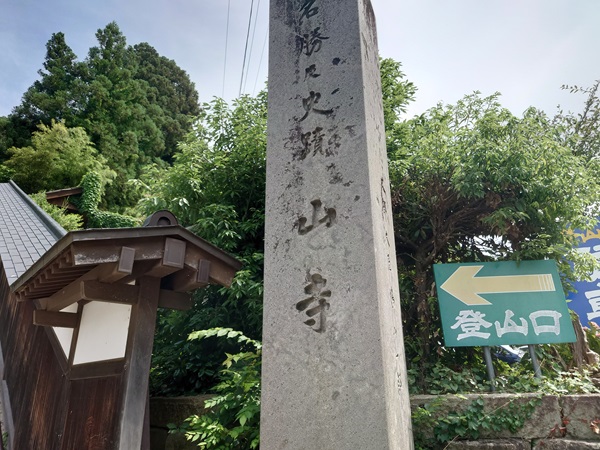
Yamadera Temple(山寺) — Climbing the Mountain Is Itself a Japanese Cultural Experience
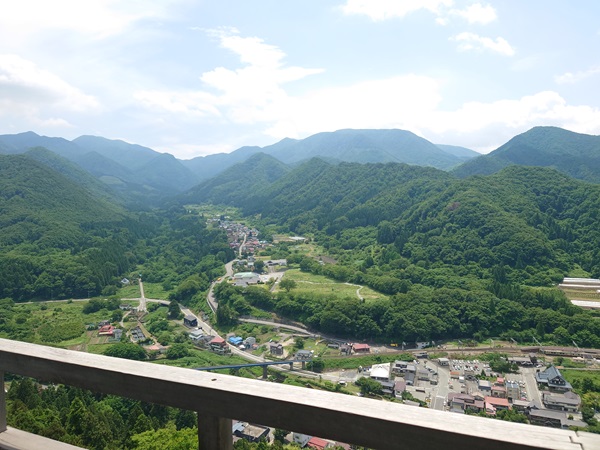
Yamadera, located in Yamagata City in Yamagata Prefecture, is a historic Buddhist temple whose official name is Hojusan Risshakuji. It is said to have been founded in 860.If you visit Yamadera, we highly recommend walking all the way from the foot of the mountain to Okunoin, the temple at the end of the main pilgrimage route.
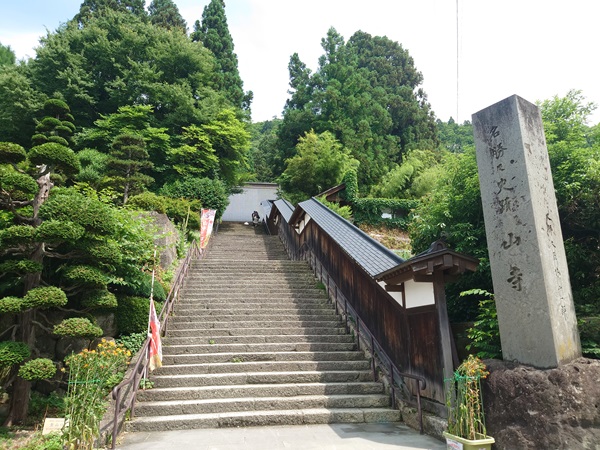
But the true appeal of Yamadera is not simply the beautiful view from high above the valley. For centuries in Japan, mountains have been regarded as sacred places. Entering the mountains meant leaving the everyday world behind — a journey of prayer, discipline, and reflection. At Yamadera, climbing the stone steps is therefore more than a way to reach the top.
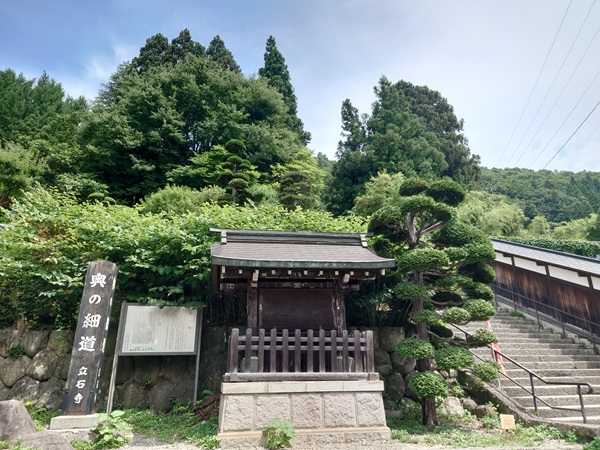
The Silence That Inspired Matsuo Basho
Yamadera is also closely associated with Matsuo Basho, one of Japan's most celebrated haiku poets.In 1689, during the journey later recorded in his famous travel diary Oku no Hosomichi (The Narrow Road to the Deep North), Basho visited Yamadera and wrote one of his best-known haiku:
Shizukesa ya
iwa ni shimiiru
semi no koe
Often translated as:
Such stillness —
the cries of the cicadas
sink into the rocks.
More than 300 years later, when you walk through Yamadera, you can still experience the remarkable silence that inspired Basho.
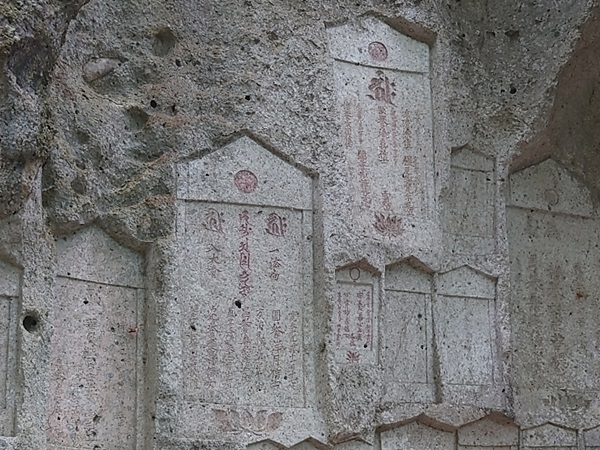
It would be a shame to visit simply to take photographs and leave.Climb slowly. Stop occasionally. Listen to the sounds around you. Look at the rocks, trees, and temples.Yamadera is a place where you can physically experience how Japanese people have connected nature and prayer for centuries.
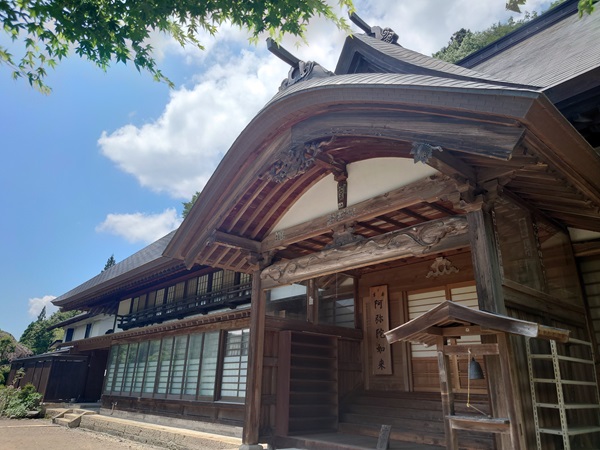
Why Build a Temple in Such a Difficult Place?
As you climb Yamadera, one question may repeatedly come to mind:
Why did people build a temple in such a steep and inaccessible place?
There were no modern roads, trucks, or cranes.
Yet temple halls were constructed high on the mountain, and places of worship appeared among cliffs and enormous rock formations.
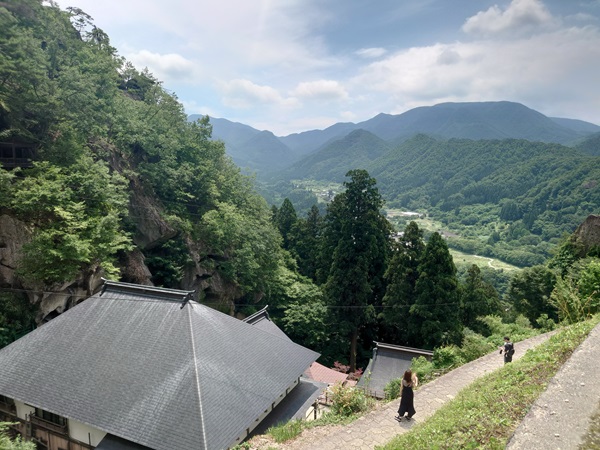
Yamadera was never created simply as a convenient place for sightseeing. Climbing the mountain, leaving the ordinary world behind, and entering a quiet and sacred landscape were themselves part of religious practice. In other words, climbing the mountain was itself a form of spiritual training. Along the route toward Okunoin is an enormous rock face known as Midahora. Look carefully and you may see what appears to be the figure of Amida Buddha emerging from the rock.
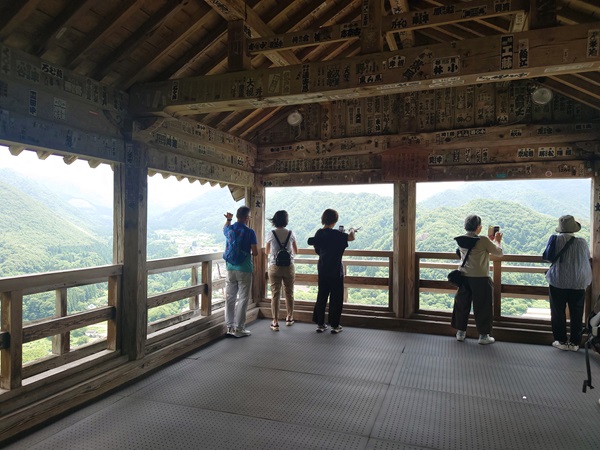
At first glance, you might assume that someone carved the image into the stone. But no sculptor created it. Over countless years, rain and wind gradually eroded the rock, creating a natural formation that people came to see as the figure of Buddha. The formation is approximately 4.8 meters high and is sometimes called the Joroku Amida. Tradition says that those who are able to recognize the figure of Buddha in the rock will be blessed with good fortune. This tells us something fascinating about traditional Japanese spirituality. Rather than separating nature from religion, people sometimes discovered the sacred within nature itself.A rock could suggest the presence of Buddha. A mountain could become a place of prayer. The act of entering the forest and climbing toward the summit could become a spiritual journey.
A Mountain of Spiritual Practice
The mountain itself has long served as a place of religious training.
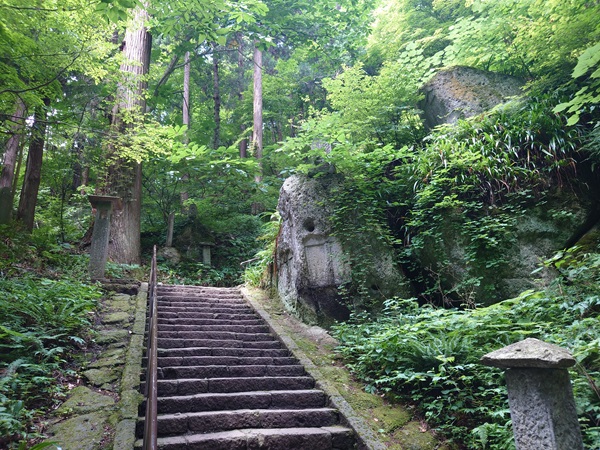
Along the route is an old path known as the Shisundo, or “Four-Inch Path.” At its narrowest point, the path is only about 14 centimeters wide and follows the natural contours of the mountain.
There is also a rugged rocky area called Shakagamine, historically associated with ascetic training. Today, access is restricted to religious practitioners.
For modern visitors, climbing around 1,000 steps may already feel challenging.
But Yamadera was not originally designed to make reaching the top easy.
The difficulty was part of the experience.
Temples Built Among the Cliffs
The buildings themselves also make you wonder how they could have been constructed in such challenging terrain.
Today, Godaido Hall appears to project dramatically from the cliff, supported by wooden pillars. Nearby are Kaizando Hall and the small red Nokyodo Hall, considered one of the oldest structures within the temple complex.
Beneath Nokyodo is a cave known as Nyujokutsu, where the temple's founder, the Buddhist monk Jikaku Daishi Ennin, is traditionally believed to rest.
Detailed historical records explaining exactly how many craftsmen were involved, how long construction took, or precisely how building materials were transported up the mountain are difficult to confirm.

Perhaps that uncertainty makes standing before these structures even more impressive.
How did people build them here centuries ago?
Why did they choose such a difficult location?
The answer lies partly in the idea that the mountain itself was sacred.
When visiting Yamadera, therefore, do not look only at the temple buildings.
Look at the cliffs and rocks. Listen to the wind and the birds. Notice the enormous trees surrounding the path. Stop occasionally and experience the silence.
At Yamadera, nature and faith are not separate.
**The roughly 1,000-step climb is not simply the way to reach Yamadera.
The climb is part of Yamadera itself — and part of the experience of Japanese culture.**
Yamadera Temple(山寺) Information
| Company Name | YAMADERA Tourism Association |
|---|---|
| Address / Phone | 4495-15 Ymadera, Ymagata city,Yamagata prefecture 999-3301,Japan Tel: +81-23-695-2816 |
| Official Website | https://www.yamaderakankou.com/eng.html |