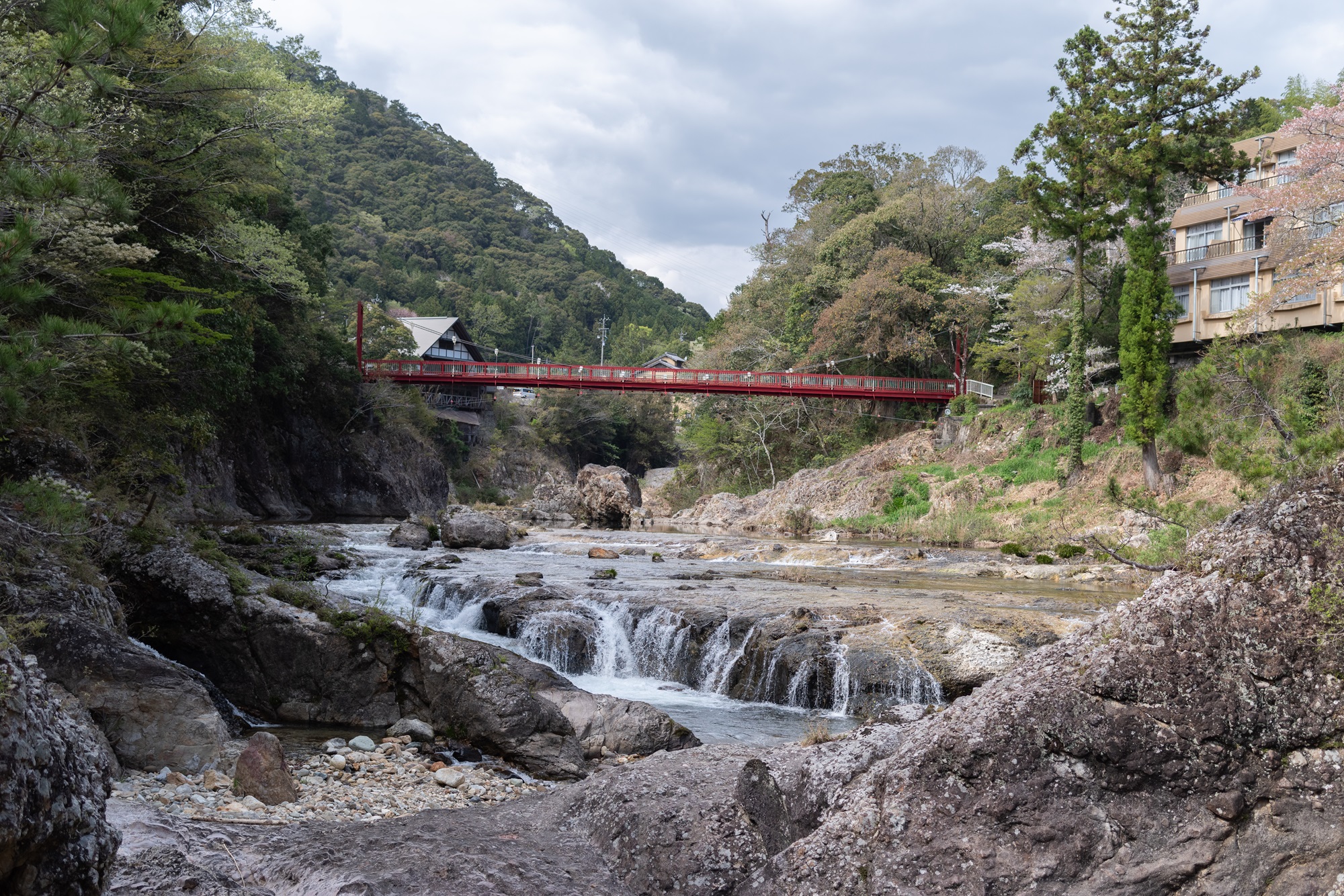
Yuya Onsen(Aichi prefecture)
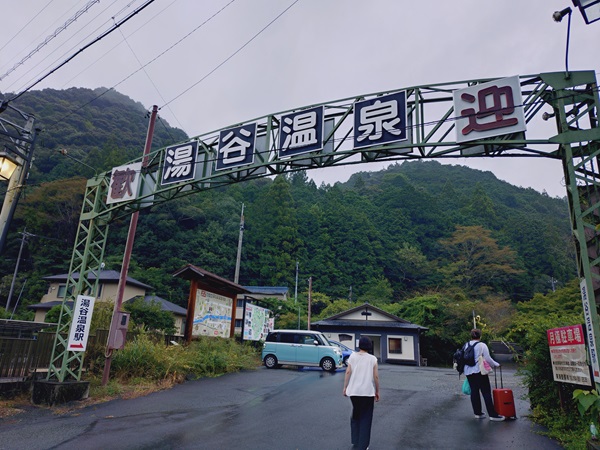
Yuya Onsen(湯谷温泉) — A Hot Spring Village Shaped by Mountain Worship
Yuya Onsen is a small hot spring village surrounded by the mountains of Okumikawa in Shinshiro City, Aichi Prefecture.
The Ure River flows through the village, with traditional inns scattered along its banks. Around Yuya, the river is also known as the “Itajiki River,” a name associated with its broad, flat rock bed. Here, mountains, river valleys, and hot springs come together to create a peaceful landscape.
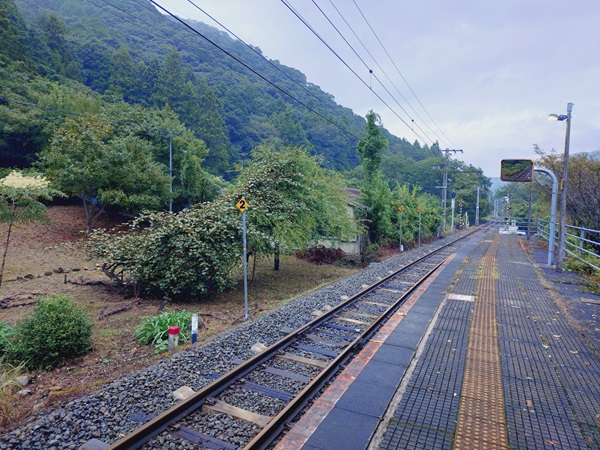
This small hot spring village even has its own railway station: Yuya Onsen Station on the JR Iida Line. It is a tiny unmanned station tucked away in the mountains. Step off the train, and the atmosphere feels very different from that of a busy city station. For those arriving by rail, the journey to Yuya Onsen begins on this quiet little platform.
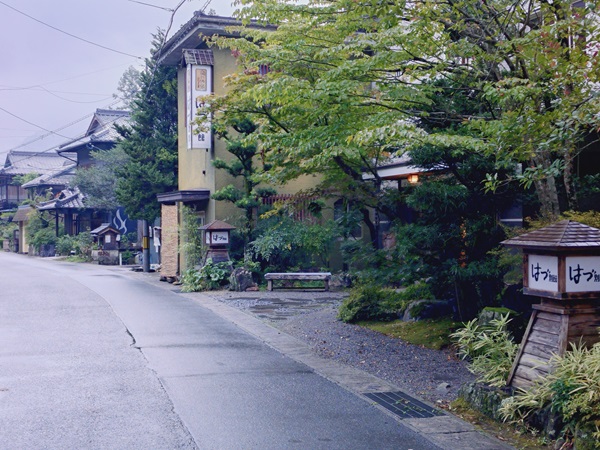
But Yuya Onsen is about much more than beautiful scenery and hot springs. The cultural history of the area is closely associated with Mount Horaiji, which has long been a place of religious significance. Local tradition traces the origins of Yuya Onsen back approximately 1,300 years. According to legend, the hot spring was discovered by Rishu Sennin, a semi-legendary ascetic who is traditionally credited with founding Horaiji Temple. The spring associated with this story, known as “Hoekisen,” is regarded in local tradition as the origin of Yuya Onsen.
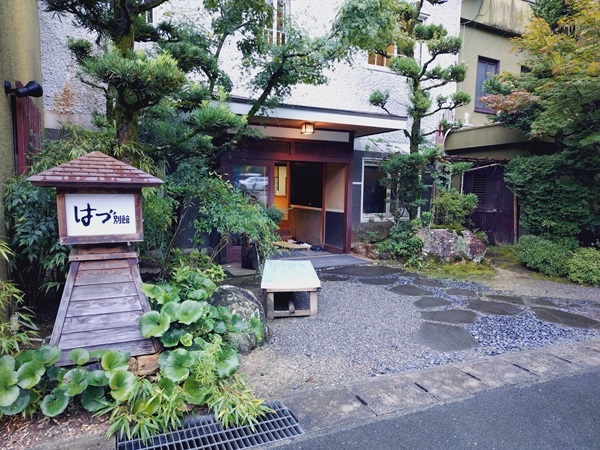
These stories belong partly to religious tradition and legend rather than to history that can be independently verified. Even so, they offer an important glimpse into how generations of local people understood the relationship between the mountain, the temple, and the hot springs. Mount Horaiji itself has been a place of worship for centuries. Horaiji Temple is about six kilometers from Yuya Onsen, or approximately a 90-minute walk.
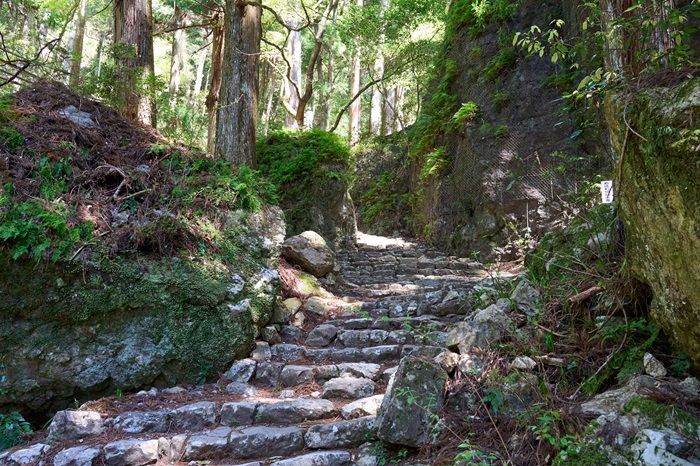
Historically, temples, pilgrimage routes, and hot springs were often closely connected in Japan, and the Horaiji area developed within this broader culture of religious travel. Visitors could journey into the mountains to worship and also make use of nearby hot springs for rest and recuperation. Seen in this context, Yuya Onsen can be understood not simply as a place for bathing, but as part of a wider cultural landscape shaped by travel, religious practice, and toji — the Japanese custom of staying at hot springs for recuperation.
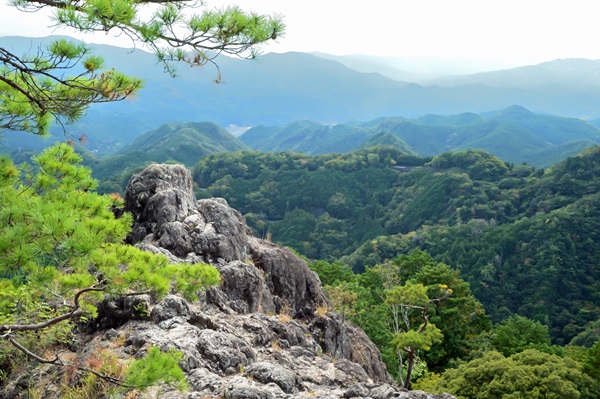
Mount Horaiji is also associated with a well-known tradition concerning Tokugawa Ieyasu, who later established the Tokugawa shogunate. According to a story preserved at Horaiji, Ieyasu’s parents, Matsudaira Hirotada and Odai-no-kata, prayed there for a child before Ieyasu was born. This should be understood as a traditional account rather than a firmly established historical fact.
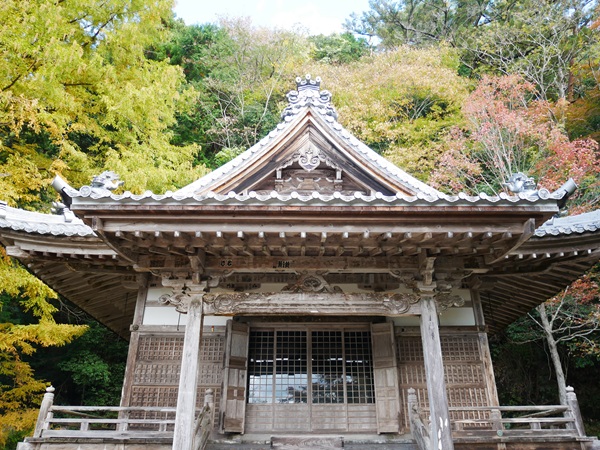
The Tokugawa connection, however, became historically significant in the seventeenth century. The third Tokugawa shogun, Tokugawa Iemitsu, ordered the construction of Horaisan Toshogu Shrine, which was completed during the time of the fourth shogun, Tokugawa Ietsuna.
The landscape can therefore be explored through several overlapping layers of history and tradition:
Mountain worship → Horaiji Temple → Tokugawa traditions → Toshogu Shrine → Yuya Onsen
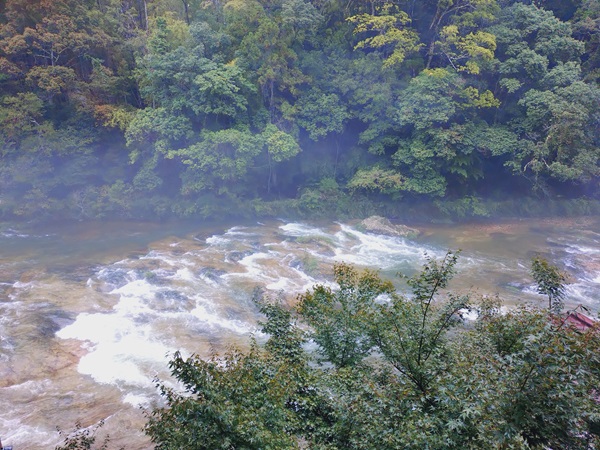
The Ure River flowing through the hot spring village also preserves traces of the everyday lives of people who once lived and worked in these mountains. Near Yuya Falls, sections of the rocky riverbed were altered to make it easier to move timber downstream. The valley that visitors now appreciate for its natural beauty was therefore also connected to the economic life of the surrounding mountain communities. In more recent times, Yuya Onsen has also been associated with writers and artists.
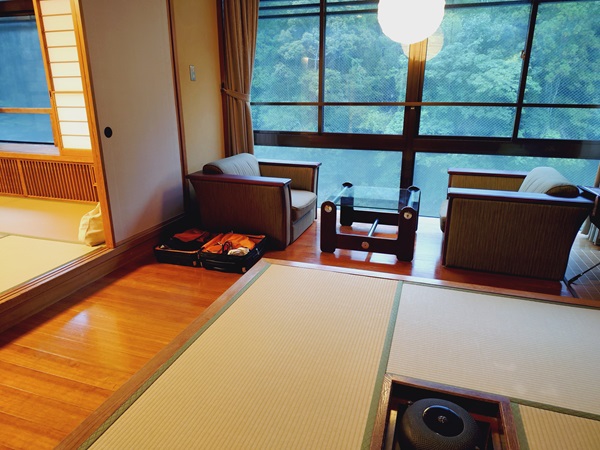
The Japanese poet Wakayama Bokusui is said to have stayed in the area, and local tourism accounts also connect Yuya Onsen with the rock musician Kiyoshiro Imawano. Such cultural associations add another layer to the identity of this small mountain resort. From ancient religious traditions and pilgrimage culture to the Tokugawa period, mountain livelihoods, literature, and modern tourism, Yuya Onsen reflects many different periods of Japanese history. So if you visit Yuya Onsen, consider experiencing more than just the onsen itself.
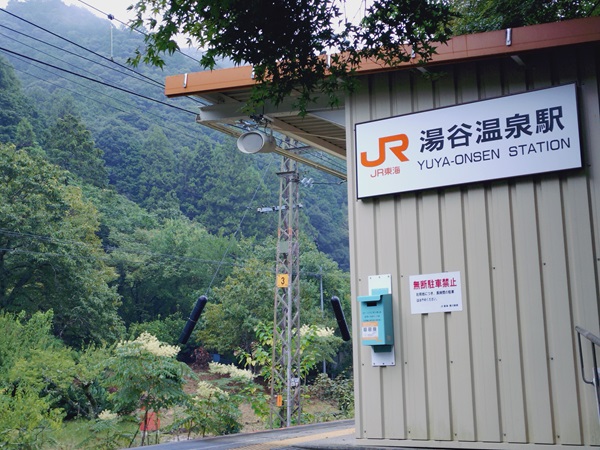
Step off the train at a tiny unmanned station. Walk toward the mountains. Visit an ancient temple. Follow the valley back down. And finally, soak in the warm waters of Yuya Onsen. Rather than recreating exactly what travelers did centuries ago, such a journey offers a way to experience a landscape in which mountains, prayer, travel, and hot springs have long been connected.
Yuya Onsen(湯谷温泉) Information
| Location | Yuya Onsen |
|---|---|
| WEB SITE | Information Explore Holy Mt. Horaiji Tour |